Plan Spring Planting with Better Weather Data
Spring planting decisions are easier to make when you can see what is happening on your own site, not just across the wider region. In late August, conditions across New Zealand can shift quickly as winter gives way to spring. Rain, wind, frost and soil temperatures can differ greatly between farms, blocks and rural sites.
Regional forecasts are useful for the broad picture, but they cannot always show what is happening at paddock level. Planting into ground that is too cold, wet or dry can affect establishment, waste inputs and create extra work later. We help commercial and rural customers build a clearer view of weather, soil and water conditions before sowing, planting, fertilising or irrigating.
A weather monitoring station gives you practical information for protecting early-season investment, while helping you make timing decisions with more confidence.
A Weather Monitoring Station Reveals Local Conditions
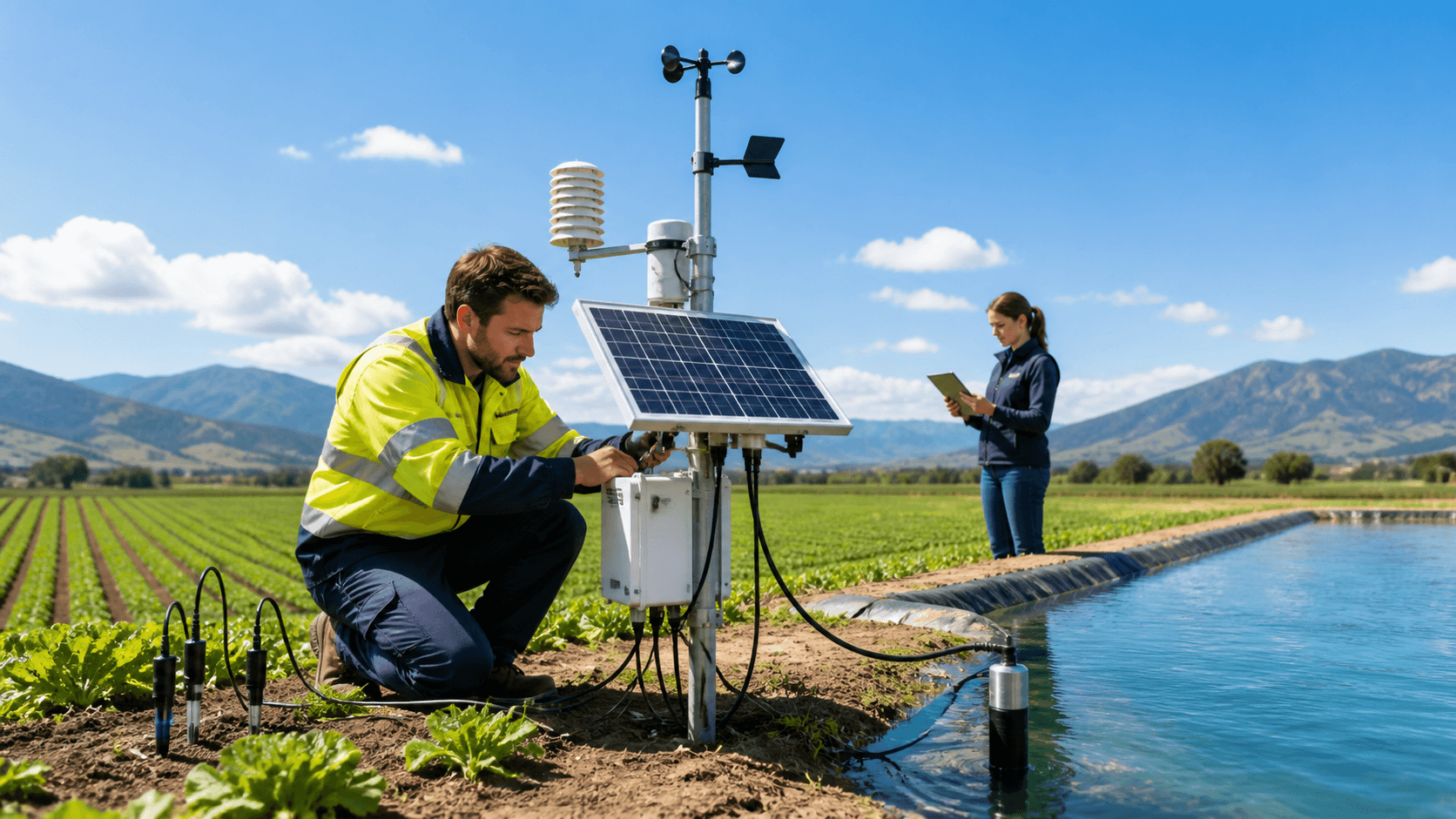
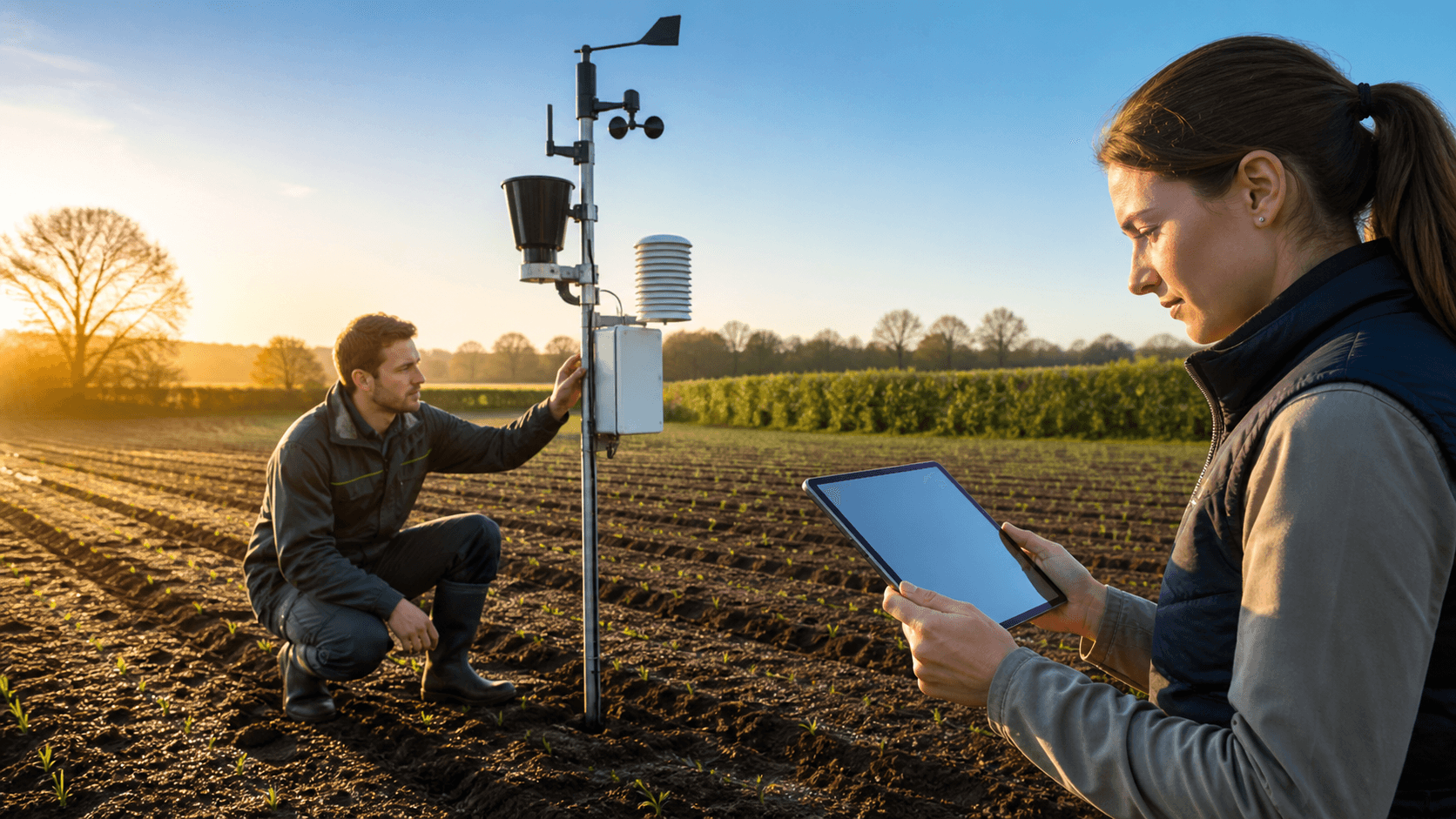
A weather monitoring station records the conditions that directly affect your property. Instead of relying on a station some distance away, you can see the weather patterns where your crops, pasture, access tracks or irrigation systems actually sit.
Depending on the monitoring setup, we can collect data such as:
- Rainfall
- Air temperature and humidity
- Wind speed and wind direction
- Solar radiation
- Barometric pressure
Together, these readings create a more useful picture of local growing conditions. A nearby town may receive rain while your block stays dry. One part of a property may be exposed to strong winds, while another is sheltered. Overnight temperatures can also vary across rural terrain, especially where low-lying areas hold cold air.
This local detail matters before spring planting. If the soil surface looks ready after a fine day but rainfall has left deeper ground saturated, machinery access and seed placement may still be affected. Likewise, a calm forecast does not always reflect wind exposure at an open site.
Remote access makes the information even more practical. Rather than travelling across a large property to check every location, growers, contractors and site managers can review current readings from wherever they are. When spring weather changes quickly, that visibility supports faster, better-informed decisions.
Use Soil Data to Protect Establishment and Inputs
Weather is only part of the planting picture. Conditions at root-zone depth often matter just as much, yet they are difficult to judge from the surface alone. Ground can appear dry and workable while remaining cold or overly wet below, where seeds and young roots need the right environment to establish.
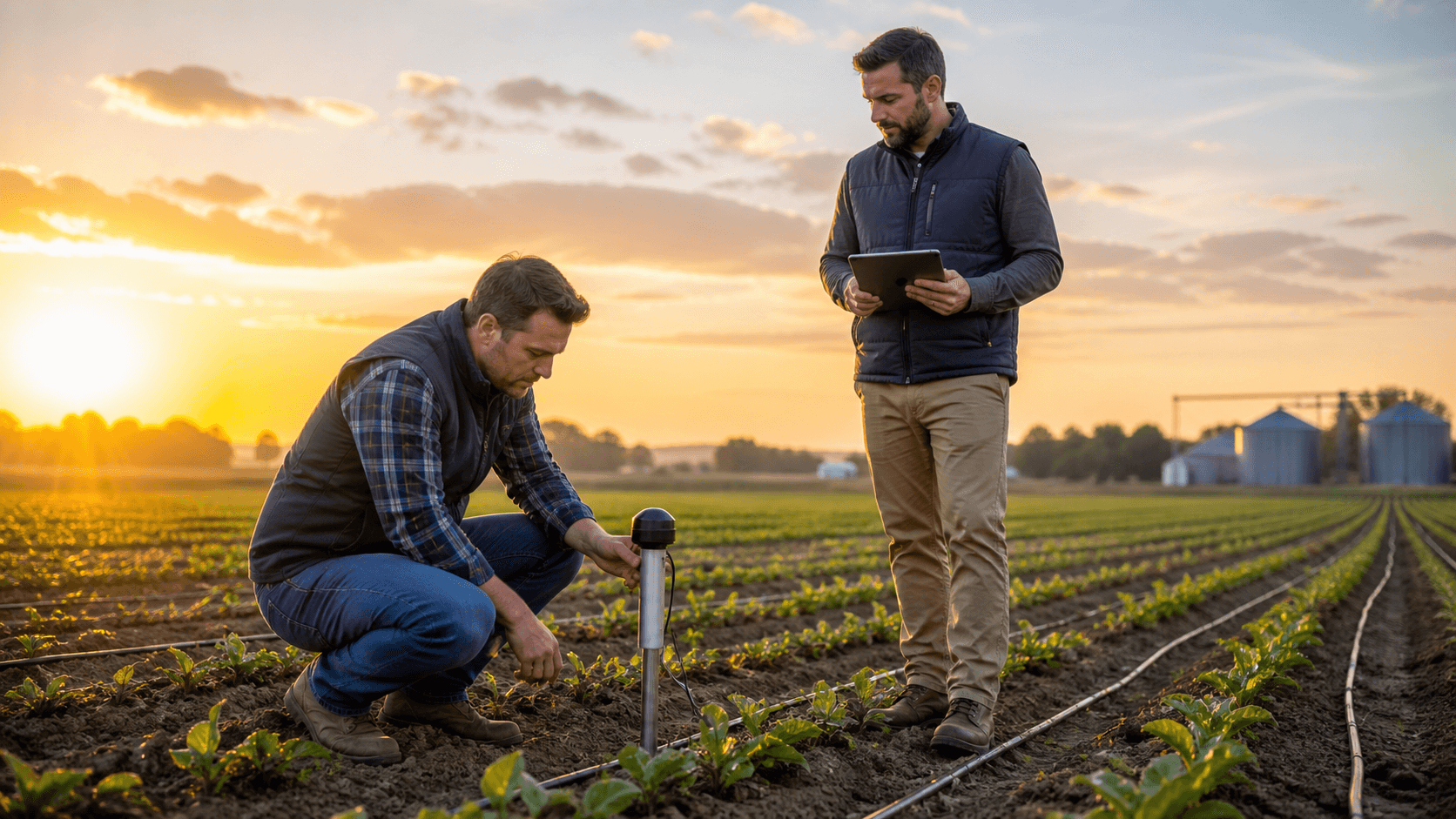
Soil moisture and soil temperature sensors help us monitor those conditions more closely. Soil temperature can guide planting timing when warmth is needed for early growth, while soil moisture readings show whether the ground is holding too much water, drying out, or sitting within a more suitable range.
That information can also support irrigation planning. Applying water too soon may leave soil wetter than needed, while waiting too long can place new plants under stress. By checking moisture levels at the depths that matter, you can make more measured decisions about when irrigation is needed and how heavily to apply it.
NPK sensors add another useful layer of information by monitoring nitrogen, phosphorus and potassium. These nutrients play different roles in soil and plant development, so a clearer view of conditions can support more targeted nutrient planning. Rather than treating every block the same, you can consider what the monitored data is showing before applying fertiliser.
Used together, soil monitoring can help with:
- Checking whether planting ground is too cold, wet or dry
- Planning irrigation around actual soil moisture conditions
- Supporting nutrient decisions with NPK readings
- Reducing unnecessary fertiliser and water application
We see this as a practical way to protect both soil health and the money, time and materials put into spring establishment.
Turn Weather Trends Into Smarter Spring Decisions
A single reading is helpful, but trends give you more context. A weather monitoring station can track conditions over days, weeks and seasons, helping you spot patterns that may not be obvious during a quick site visit.
For example, regular overnight temperature data may reveal recurring frost risk in a particular area. Rainfall records can show whether recent weather has kept pace with planting plans, while wind data may help identify periods when cultivation, spraying or contractor work is less suitable. Soil data can also show how quickly different areas dry after rain.
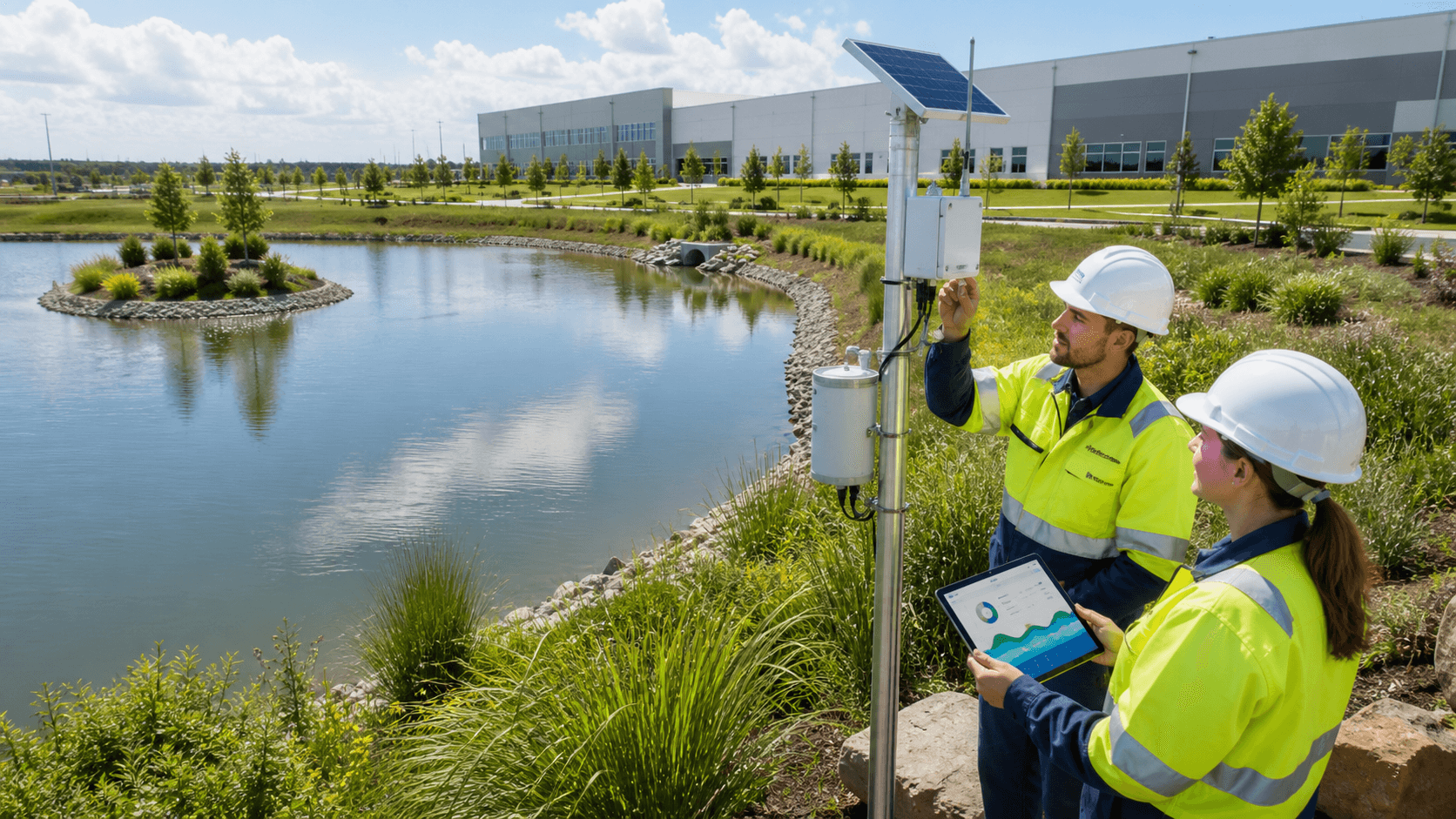
Threshold alerts are particularly useful when conditions need attention. We can help configure environmental monitoring systems to notify you when readings move beyond the levels that matter for your site. Alerts may be set around:
- Falling temperatures and frost risk
- Heavy rainfall or rising water levels
- High winds
- Low soil moisture
- Changes in water flow or storage levels
Timely information gives you a chance to act before weather affects seedlings, field access or planned work. It can help you adjust irrigation, delay a fertiliser application, reschedule contractors or check a vulnerable area of the property.
For commercial and rural sites, this kind of monitoring supports everyday planning without relying on guesswork. Spring is often busy, and having current site data available can make it easier to coordinate people, machinery and inputs around the conditions you actually have.
Prepare Your Site Before Spring Conditions Change
Successful spring planting starts before seeds or plants enter the ground. Reliable local data can support better timing, more efficient irrigation and fertiliser use, fewer unnecessary site visits and earlier responses to changing weather or water conditions.
Before planting activity increases, assess whether you have enough visibility across the parts of your property that matter most. Knowing how weather, soil moisture, temperature, nutrients and water levels are behaving gives you a stronger basis for decisions when conditions become more variable.
Turn Field Data Into Confident Planting Decisions
Remote Networks can help you select a weather monitoring station that captures the conditions most relevant to your operation. We can also integrate soil moisture, temperature, nutrient and water-level sensors for a clearer view across your property. Contact us to discuss an environmental monitoring setup suited to your planting plans.