Get Ahead of Late Winter Flood Risks
Water level monitoring helps you spot changing conditions before water reaches roads, buildings, equipment or work areas. August is a sensible time to review flood readiness across New Zealand catchments, when winter rainfall, wet ground and changing spring weather can all lead to faster runoff.
For rural, commercial and industrial sites, delayed awareness can create serious problems. Accessways may become unsafe, plant and stock can be exposed to water damage, and contaminated runoff may affect operations. Unplanned downtime can also make a difficult weather event harder to manage.
Manual inspections are not always safe or practical during heavy rain. We use remote hydrology monitoring to give teams a clearer view of water conditions without sending someone to a riverbank, drain, pond or culvert when conditions are worsening. Live readings, trend data and alerts help you act on what is happening, rather than waiting until flooding is visible.
Water Level Monitoring Turns Data Into Flood Warnings
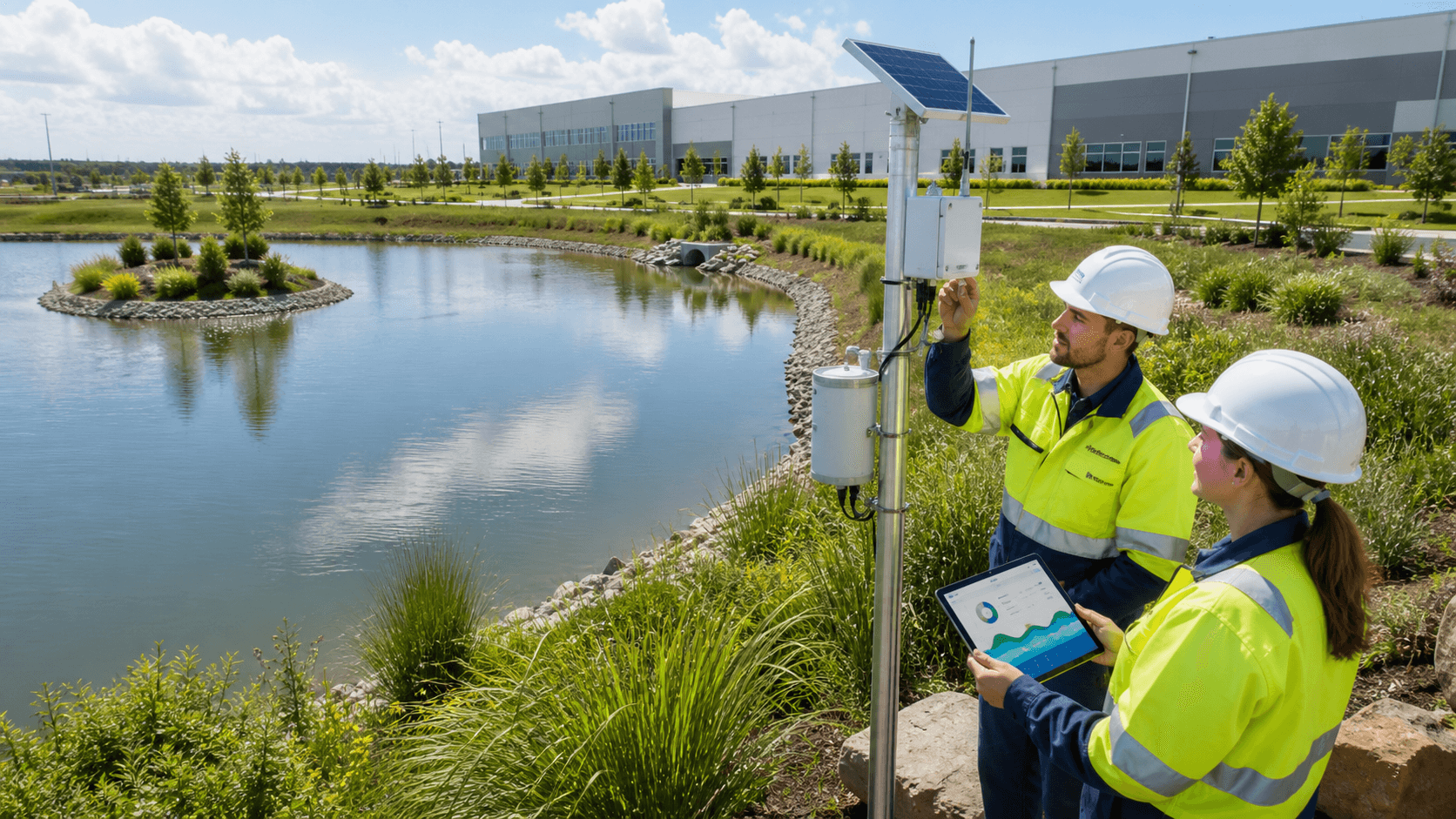
Water level monitoring measures the height of water at a chosen point. Depending on the site, sensors can monitor rivers, streams, drainage channels, ponds, tanks, culverts, dams and other water assets. Readings are sent to a remote platform so you can view conditions without being physically at the location.
A single water reading is useful, but the trend behind it often tells the more important story. A waterway that is rising quickly may need attention well before it reaches a known flood level. By looking at how readings change over time, we can help you understand whether water is stable, gradually rising or responding rapidly to rainfall.
Configured alert thresholds turn that data into practical warnings. Notifications can be set around the conditions that matter most to your site, such as:
- Water reaching a set level near an access road or building
- A rapid rise that suggests a fast-moving runoff event
- Water exceeding a safe operating limit for pumps or equipment
- A level that indicates a culvert, drain or channel needs checking
With timely information, your team can protect machinery, restrict access, prepare pump stations or put an existing response plan into action before the situation escalates.
Choose Sensors That Suit Your Site and Water Risks
The right sensor depends on where it will be installed and what you need to know. Radar sensors are common options for non-contact water level measurement, where the sensor sits above the water. Pressure sensors are often used in submerged applications. Flow monitoring equipment can also provide useful information for waterways, channels and pipes.
Site conditions should guide the design. Fast flow, floating debris, sediment, changing channel shapes and weather exposure can all affect sensor placement and readings. Remote locations may also need careful planning around communications, power availability and mounting options.
When we plan a hydrology system, we consider the decisions you need to make during a weather event, not just the sensor itself. A well-placed monitoring point can provide dependable information. A poorly placed one may be affected by turbulence, debris or water movement that does not reflect the wider risk.
Before installation, it helps to identify:
- The water assets that could affect operations
- Known low-lying areas and flood-prone accessways
- Equipment, storage or infrastructure near rising water
- The water level or flow changes that should trigger action
- Who needs to receive alerts and respond to them
Build Monitoring Around Real Site Decisions
Water data has the most value when it supports a clear action. On a commercial site, that may mean moving machinery from a low-lying area. For a rural operation, it could mean checking a culvert, managing irrigation assets or limiting vehicle access across wet ground. Industrial sites may need early warning around pump stations, drainage infrastructure or areas where runoff could affect work.
Remote access means decision makers can view live and historical readings from the office, at home or while travelling. This reduces the need to send staff into hazardous areas simply to confirm whether a creek is rising or a drainage point is backing up.
Historical records also help improve planning over time. By comparing water level changes with rainfall events, we can help you identify which areas respond first, how fast water rises and where extra drainage, storage or protection may be worth considering.
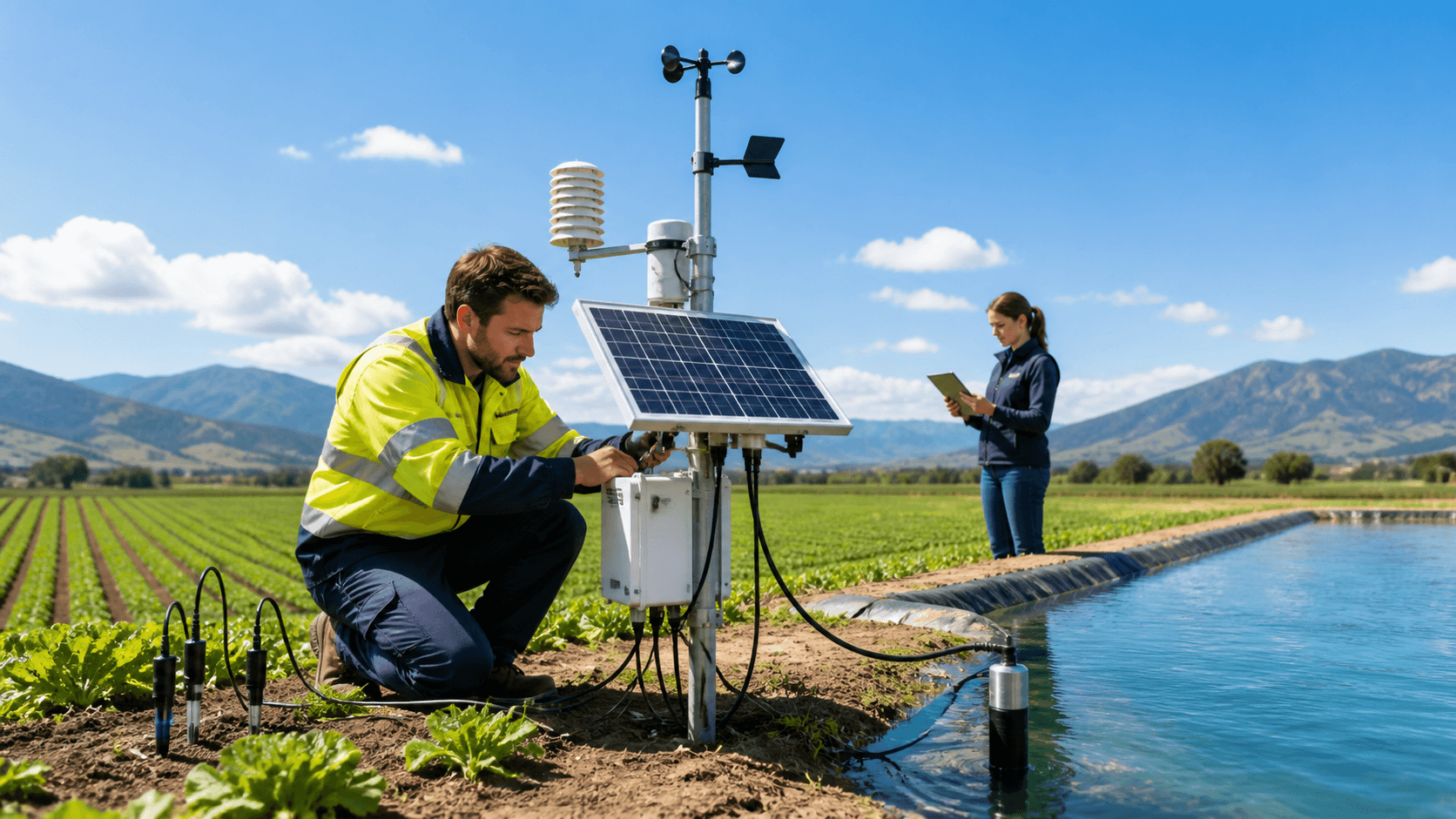
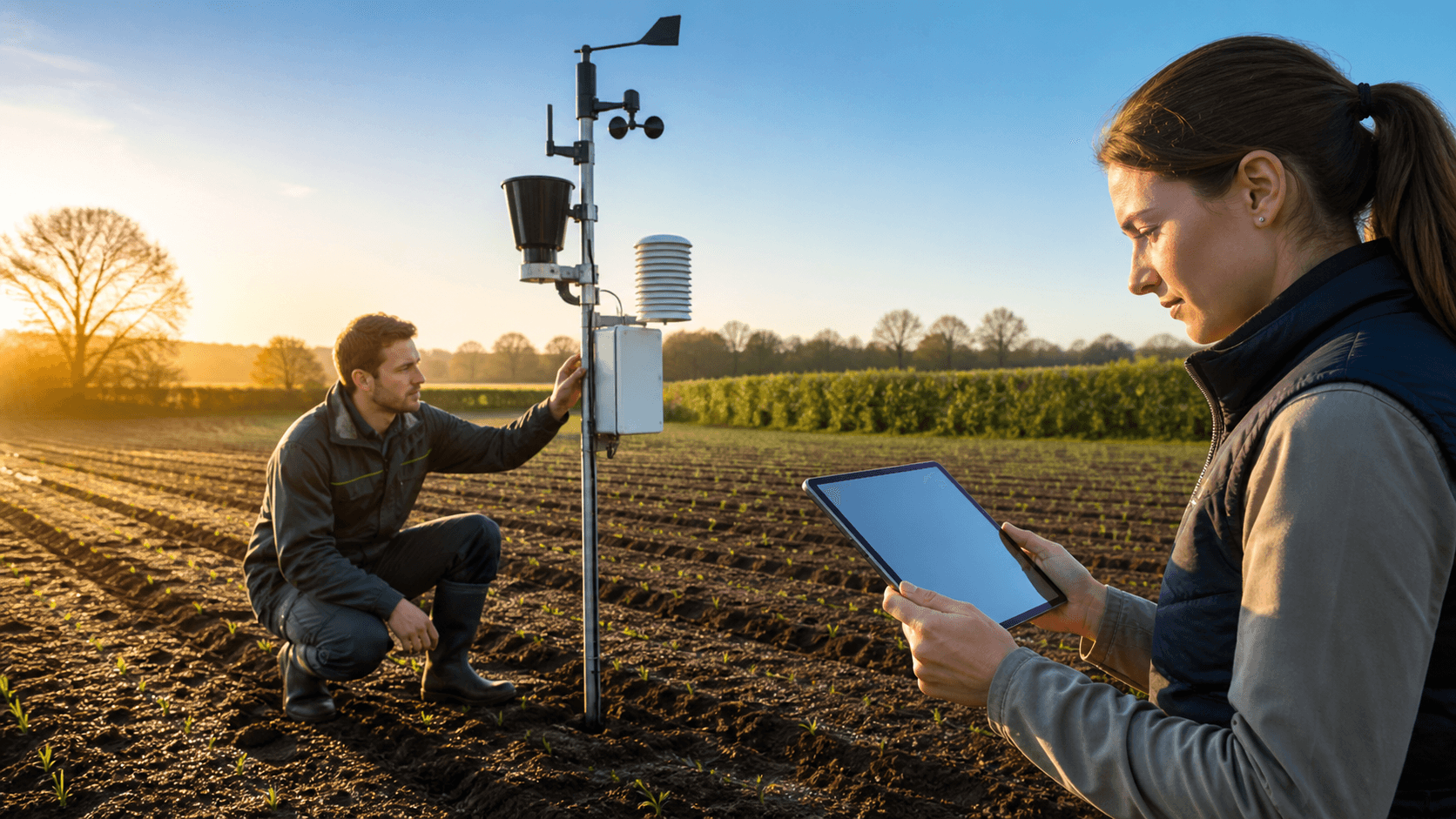
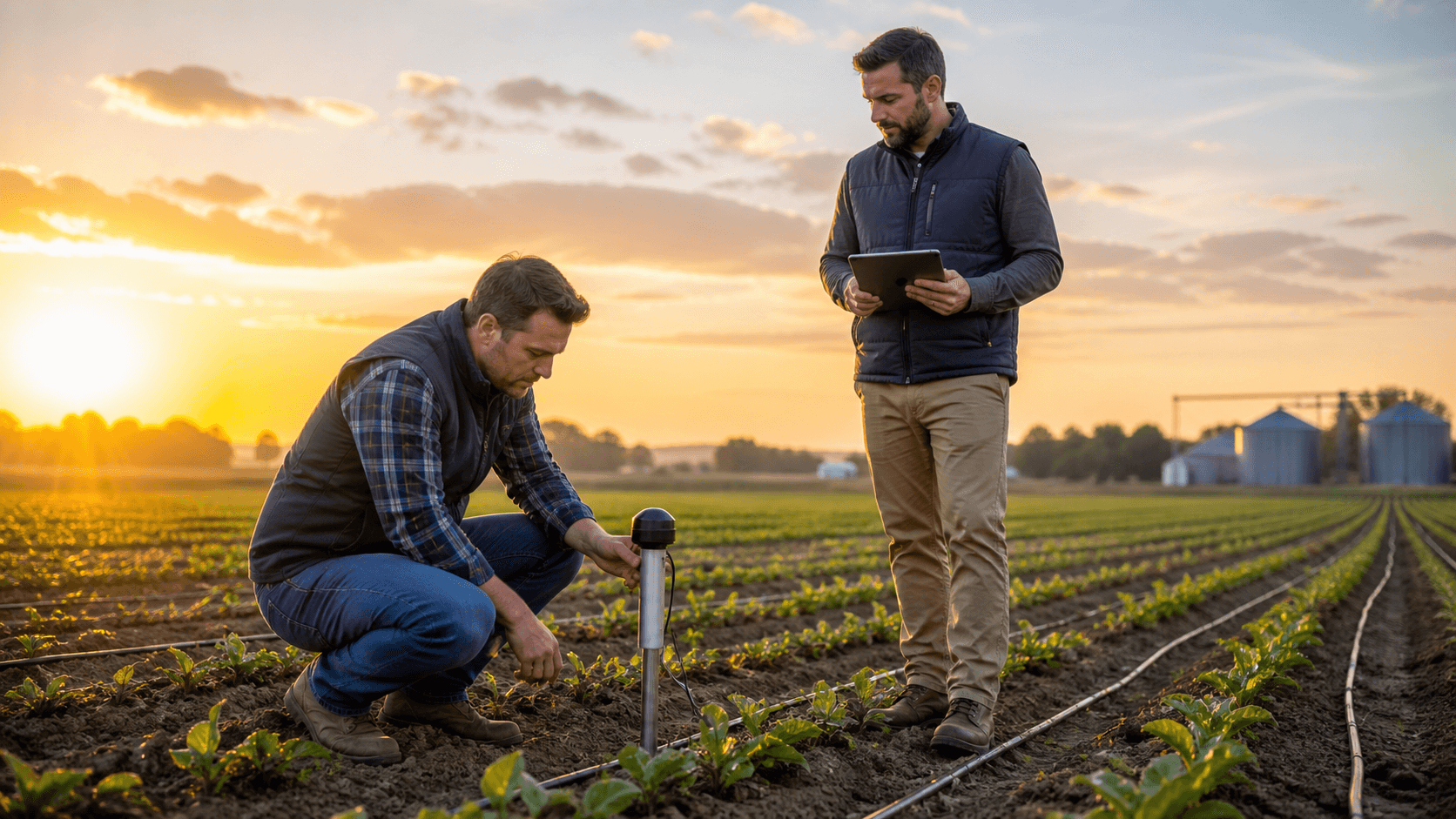
Water level readings become even more useful when they sit alongside wider environmental data. Weather stations can provide rainfall, wind, air temperature and barometric pressure information, giving added context for changing conditions. Soil moisture and soil temperature monitoring can also help land-based operations understand whether rainfall is more likely to soak in or contribute to surface runoff.
Where runoff, discharge or environmental compliance matters, water quality monitoring adds another layer of awareness. Depending on the site, relevant measurements may include turbidity, pH, conductivity and dissolved oxygen. A change in these readings can indicate conditions that need closer investigation or action.
Prepare Your Site Before the Next Heavy Rain
Flood readiness starts with knowing where water can cause disruption and what your team needs to do when conditions change. Reviewing critical water assets, drainage points, accessways, storage areas and nearby equipment before severe weather arrives gives you a stronger starting point.
The most useful water level monitoring system is one matched to your site, its water risks and the decisions staff must make during an event. Clear thresholds, reliable sensor placement and access to related environmental data can turn a late winter warning into time to act safely and calmly.
Build Confidence Into Your Flood Response
Our team at Remote Networks can help you select and deploy water level monitoring that supports timely, informed action. We also integrate related hydrology data, including flow and water quality parameters, to give your site a clearer picture of changing conditions. Contact us to discuss a monitoring solution suited to your operational needs.