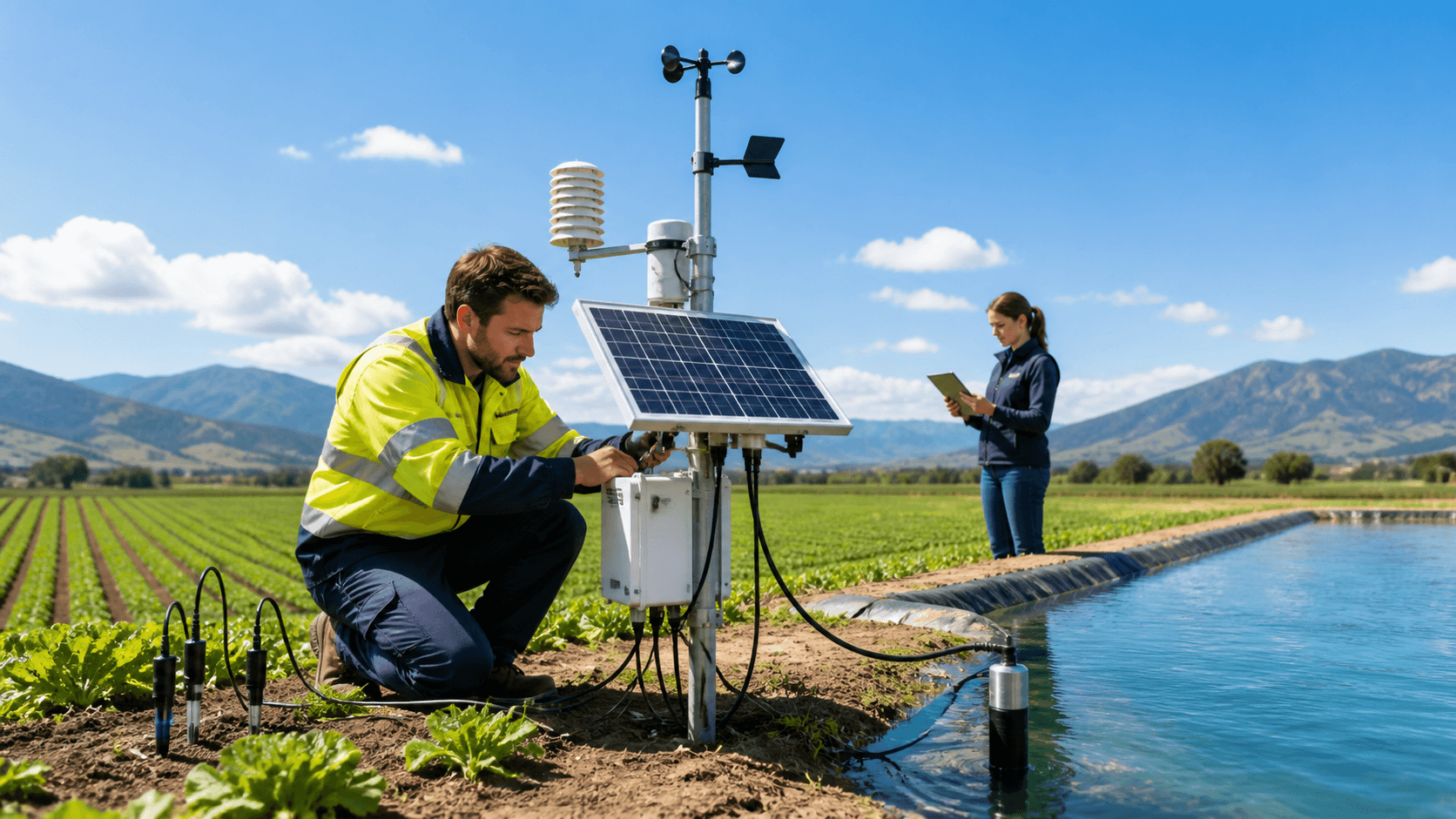
Remote site monitoring brings weather, soil and water information into one clear view, so you can make decisions based on what is happening on the ground. Instead of waiting for a site visit or comparing handwritten readings from different days, we help you see changing conditions as they occur.
For commercial, industrial and rural operators across New Zealand, this matters because conditions are connected. Rain changes soil moisture, soil temperature affects pasture and crop activity, and runoff can shift water levels and water quality downstream. Spring is a useful time to check that your monitoring equipment, communications and alerts are ready for variable weather, warmer ground and changing water conditions.
See the Full Picture Across Every Remote Site
Separate readings only tell part of the story. A rainfall total may look ordinary until you compare it with saturated soil, a rising pond level or a jump in turbidity. Connected remote site monitoring gives your team the context needed to understand not just what changed, but what may have caused it.
A shared dashboard can bring live and historical information together in one place. This allows managers, contractors and site teams to work from the same information, even when the asset is well beyond the gate.
With a connected system, you can compare:
- Rainfall with soil moisture for irrigation planning
- Soil temperature with seasonal field activity
- Water levels with recent rain and runoff events
- Water quality readings with upstream or on-site changes
Rather than collecting every possible reading, we recommend starting with the questions that matter most. You may need to know whether a tank is filling too quickly, whether irrigation is reaching the root zone, or whether a waterway is changing after heavy rain. Those questions guide the system design.
Connect Weather, Soil and Water Conditions
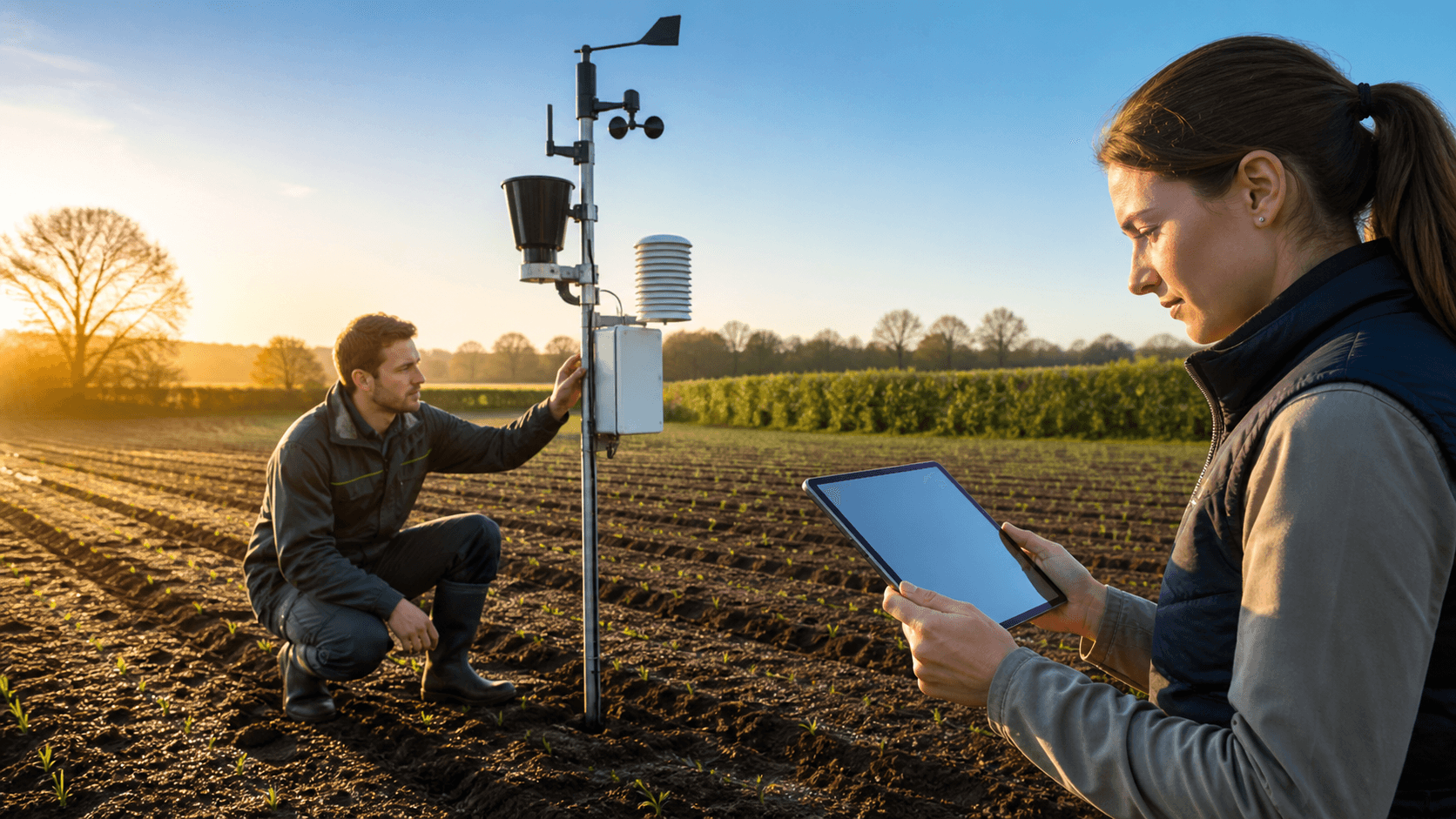
Weather stations provide the local context that a general regional forecast cannot always show. Conditions can vary across a farm, industrial site or environmental asset, particularly where terrain, elevation and exposure differ. A site-based station can track rainfall, air temperature, humidity, wind speed and wind direction, along with other relevant conditions.
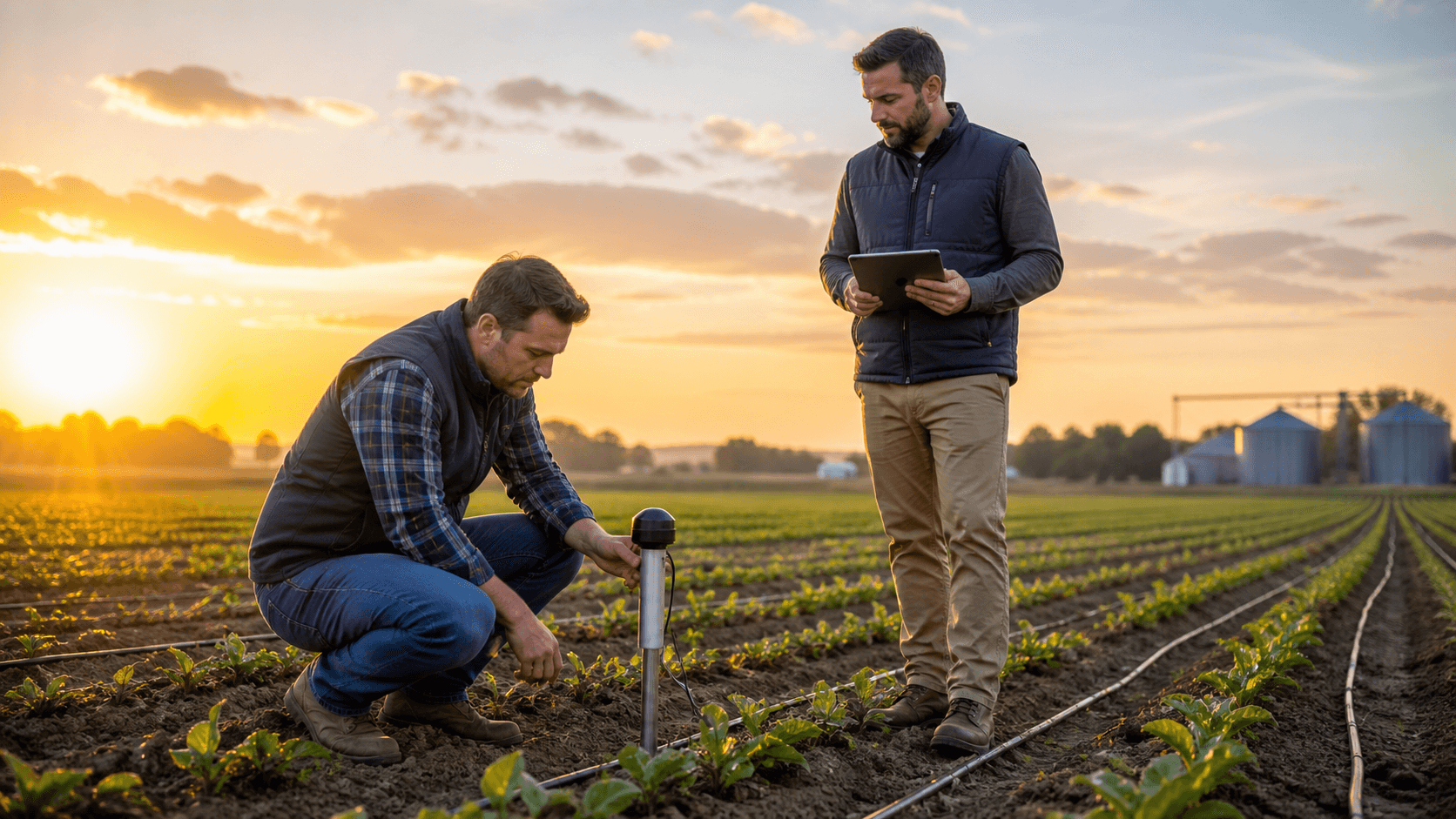
Soil sensors show how the ground is responding. Soil moisture readings can help you see whether rainfall or irrigation is reaching the areas you manage. Soil temperature can support seasonal planning by showing when ground conditions are warming or cooling.
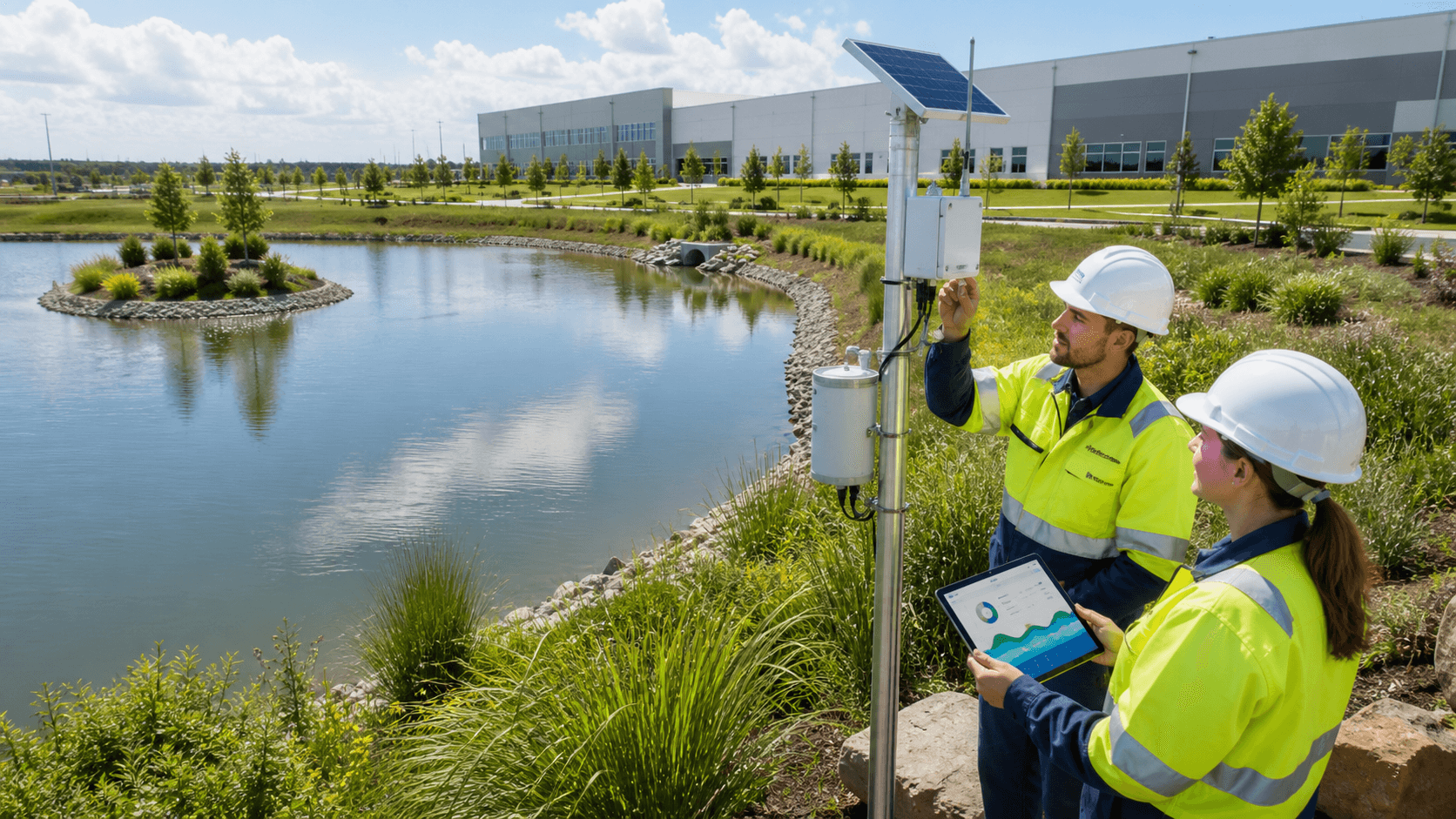
Hydrology devices add the water picture. They can monitor streams, rivers, culverts, ponds, tanks, bore systems, irrigation assets and other water infrastructure. When these readings sit alongside weather and soil data, it becomes easier to spot patterns.
For example, rising water levels after rainfall may be expected. A rapid rise without a clear weather event may point to an issue worth checking. Likewise, dry soil after a rain event may suggest that water is not reaching the intended zone or that conditions vary across the site.
Build a Field-Ready Data Network
Sensor placement matters as much as the sensor itself. Soil conditions can differ between paddocks, irrigation zones, slopes and soil types. Installing a sensor in one convenient location may not give you a useful picture of the areas that drive your decisions.
We consider the practical details from the start, including sensor depth, calibration, power supply, enclosure protection and the communications path back to the dashboard. The aim is a system that suits the site, not a standard package placed wherever it fits.
A soil intelligence system may include:
- Soil moisture sensors at suitable depths
- Soil temperature sensors for seasonal context
- NPK sensors for nitrogen, phosphorus and potassium information
- Weather station data to explain changing ground conditions
NPK readings work best as part of a wider picture. When considered alongside moisture, temperature and site management records, they can support more informed nutrient planning. One reading alone rarely tells the whole story, which is why connected monitoring is so useful.
Dependable communications are equally important. We can select cellular, long-range wireless and site networking options around coverage, terrain, available power and the amount of data being sent. Where mobile signal is weak, certified Cel-Fi cellphone boosters from Nextivity can improve mobile signal for compatible communications needs. Cel-Fi products are the only cellphone boosters certified for use in New Zealand.
Turn Water Data Into Earlier Warnings
Water monitoring helps you understand both quantity and quality. Water-level and flow monitoring can show rapid changes, restricted movement, overflows, leaks and possible pump-related issues. Continuous readings also create a history that can help you distinguish a normal seasonal pattern from an unexpected change.
Water quality monitoring adds another layer where environmental management, operational processes, stock water or downstream impacts matter. Different parameters answer different questions:
- Turbidity can show whether water is becoming cloudier after rainfall
- pH can show changes in acidity or alkalinity
- Conductivity can indicate changes in dissolved material in water
- Dissolved oxygen can show how oxygen levels shift over time
Alerts turn readings into a practical response tool. Thresholds can notify the right people when a water level rises, a quality reading moves outside an expected range, or equipment stops reporting. We also recommend regular trend reviews, because gradual changes can be just as important as sudden events.
Use Monitoring Data for Spring Decisions
Spring often brings changing temperatures, more frequent rain and renewed activity across rural and operational sites. Connected data helps you prepare for likely impacts rather than simply reacting after a weather event.
Rainfall and soil moisture information can guide irrigation timing, help prevent overwatering and show areas that are drying unevenly. Soil temperature and nutrient information can support seasonal planning, while weather trends can help with decisions around field work, wind and rainfall conditions.
Water-level, flow and water-quality data can also highlight runoff impacts. Rising turbidity after rain, unexpected conductivity changes or unusual water movement may signal that an inspection is needed. Historical records provide a baseline, making it easier to compare current conditions with previous seasons.
The most useful monitoring system is built around real decisions. Decide what you need to know, how quickly you need to know it and who needs the alert. This keeps remote site monitoring manageable today and ready to grow as your site needs change.
Turn Field Data Into Timely Action
At Remote Networks, we design remote site monitoring systems that bring weather, soil and water data together in one practical view. Our team can help select the right sensors for moisture, temperature, water level, flow and quality measurements. If you are planning a new installation or upgrading an existing setup, contact us to discuss your requirements.