Should Farms Invest In Soil Moisture Sensors Before Spring?
Late August is a sensible time to review irrigation readiness before spring growth picks up. Soil moisture sensors give you paddock-specific information, so irrigation decisions can be based on what is happening below ground rather than surface appearance or routine.
Spring weather can shift quickly across the country. A warm, dry spell may arrive before irrigation systems are fully prepared, while a wet period can make extra watering unnecessary. At Remote Networks, we help farms turn those changing conditions into clear, remote data through environmental IoT monitoring.
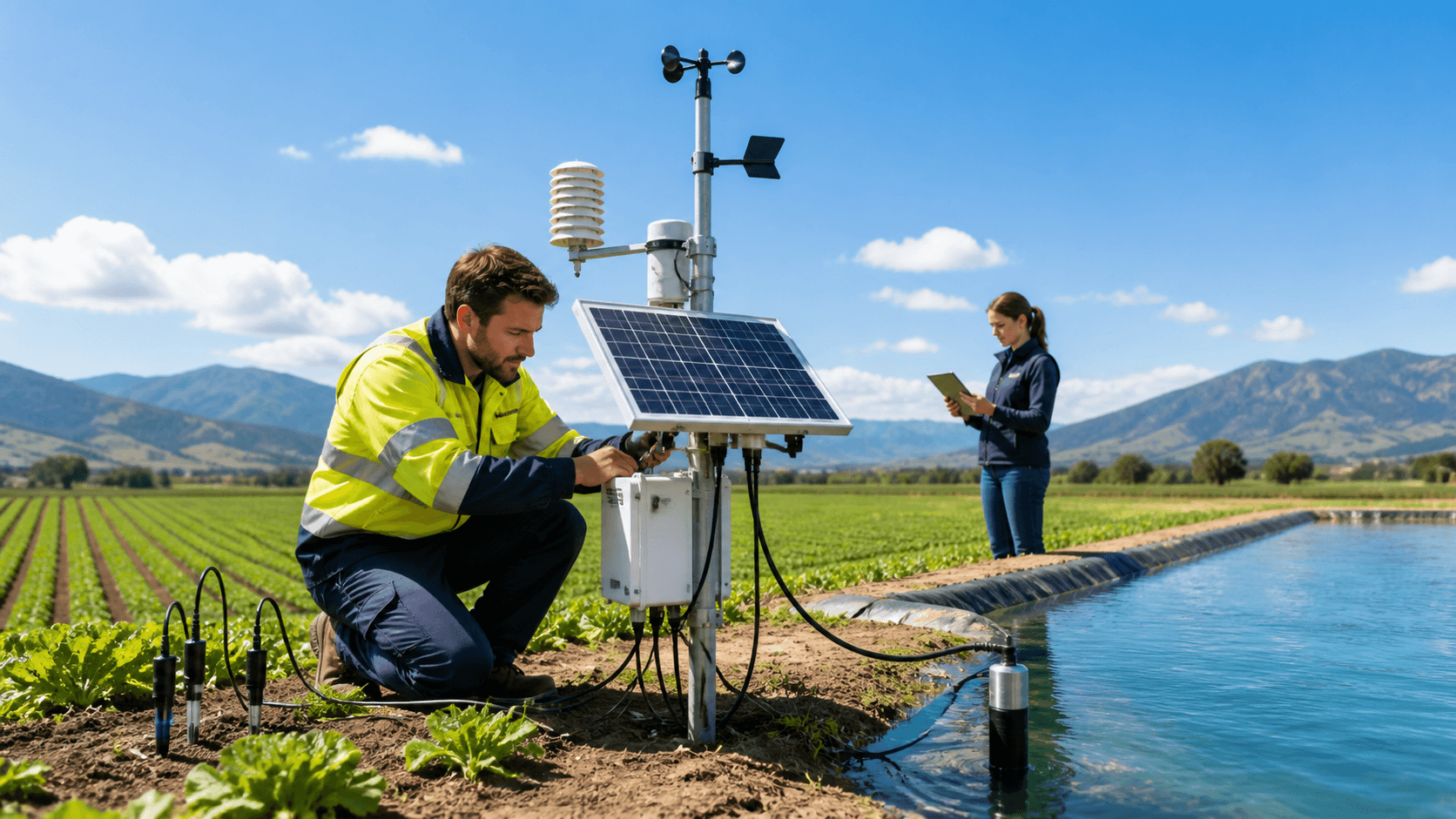
Soil moisture monitoring is about more than deciding whether soil is wet or dry. When sensors are placed at the right depths, we can help you see how water is moving through the root zone, where plants need it most. Our environmental monitoring systems can also include soil temperature sensors, weather stations, NPK sensors and remote access to farm data.
Soil Moisture Sensors Reveal What Crops Need
Visual checks can be useful, but they only tell part of the story. The soil surface may look dry after a windy day while moisture remains available lower down. On the other hand, recent rain can leave the surface looking damp even when water has not reached active roots.
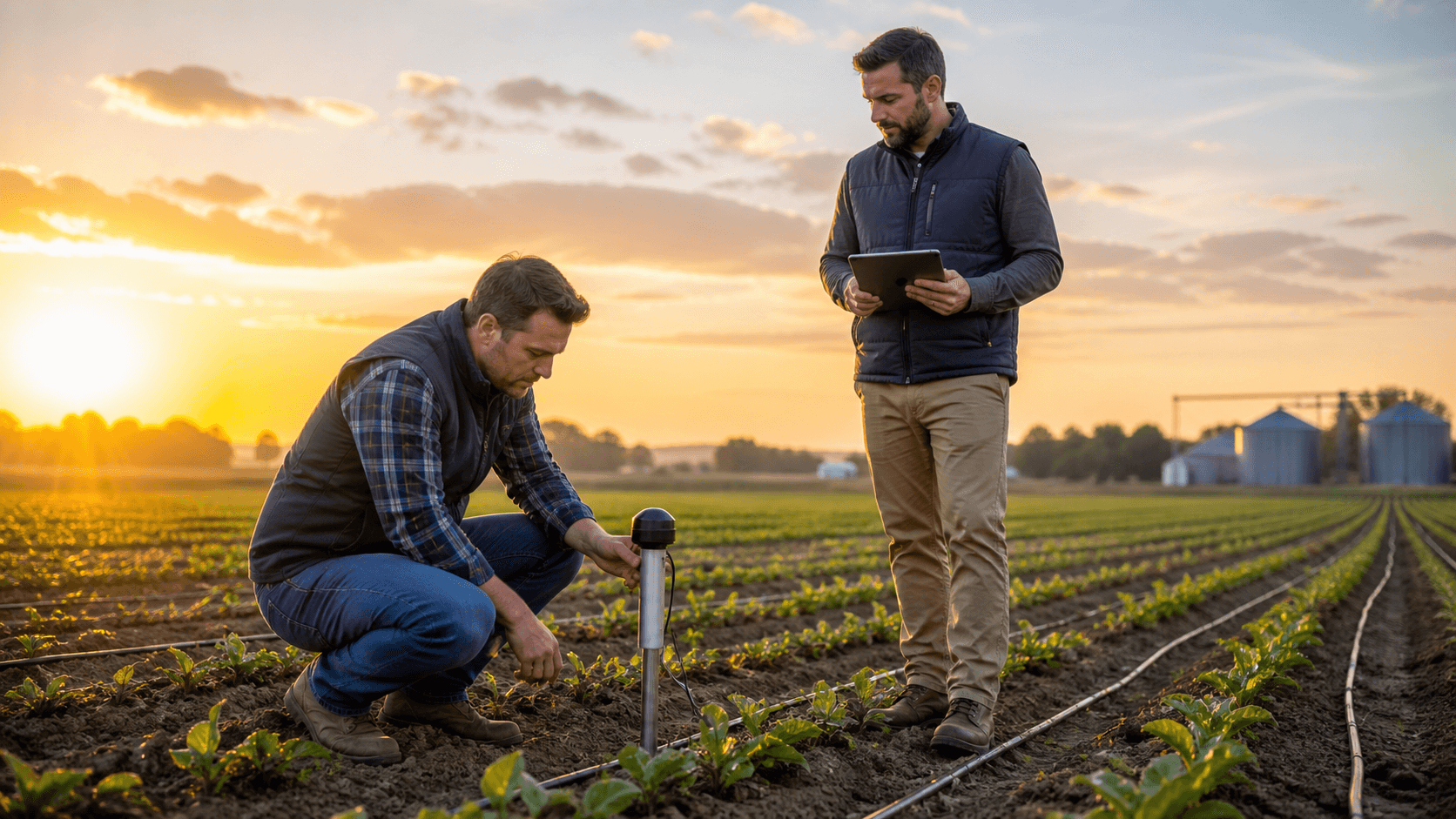
With soil moisture sensors at several depths, we can help you build a clearer picture of water availability through the soil profile. Readings can show whether water is:
- Running low in the root zone
- Sitting within a useful range for plant growth
- Building up to a level where soils may become overly wet
- Moving beyond the roots after irrigation or rainfall
This supports irrigation timing around crop demand instead of a fixed schedule. For pasture, arable crops, horticulture and higher-value farm blocks, that clearer view can help you respond earlier when conditions change.
Multi-depth monitoring matters because shallow sensors often react first to rain and irrigation. Deeper sensors show whether stored moisture is still available as the season develops. Together, those readings help us assess whether water is reaching the places where it can be useful, rather than staying near the surface or draining below the root zone.
Early Spring Data Can Protect Water and Profit
When a soil profile is already holding enough moisture, there may be no need to start irrigation simply because the calendar says spring has arrived. Knowing this can help you delay pumping, reduce energy use and avoid unnecessary wear on irrigation equipment.
The opposite problem can be just as costly. Rapid spring growth can increase water demand, particularly when rainfall is uneven across a property. Soil moisture data gives us a way to spot drying conditions before plants are left relying on guesswork.
Good water management also connects with nutrient management. Over-watering can move nutrients below the active root zone, where they may no longer be available to crops or pasture. Combining soil moisture readings with NPK monitoring can provide a broader view of nitrogen, phosphorus and potassium conditions in key areas.
Rather than treating irrigation and nutrient decisions as separate jobs, we can bring the information together. That makes it easier for you to understand what is happening in the soil before adjusting water use.
Local Conditions Should Shape Every Sensor Plan
One sensor location rarely tells the whole story of a farm. Soil types, slopes, drainage patterns, crops, irrigation zones and exposure can all change from paddock to paddock. A damp low-lying area may behave very differently from a lighter, more exposed block nearby.
For that reason, we plan sensor placement around the areas that matter most to your decisions. A well-positioned system can give a more useful view of different soil zones without treating the entire property as if it behaves the same way.
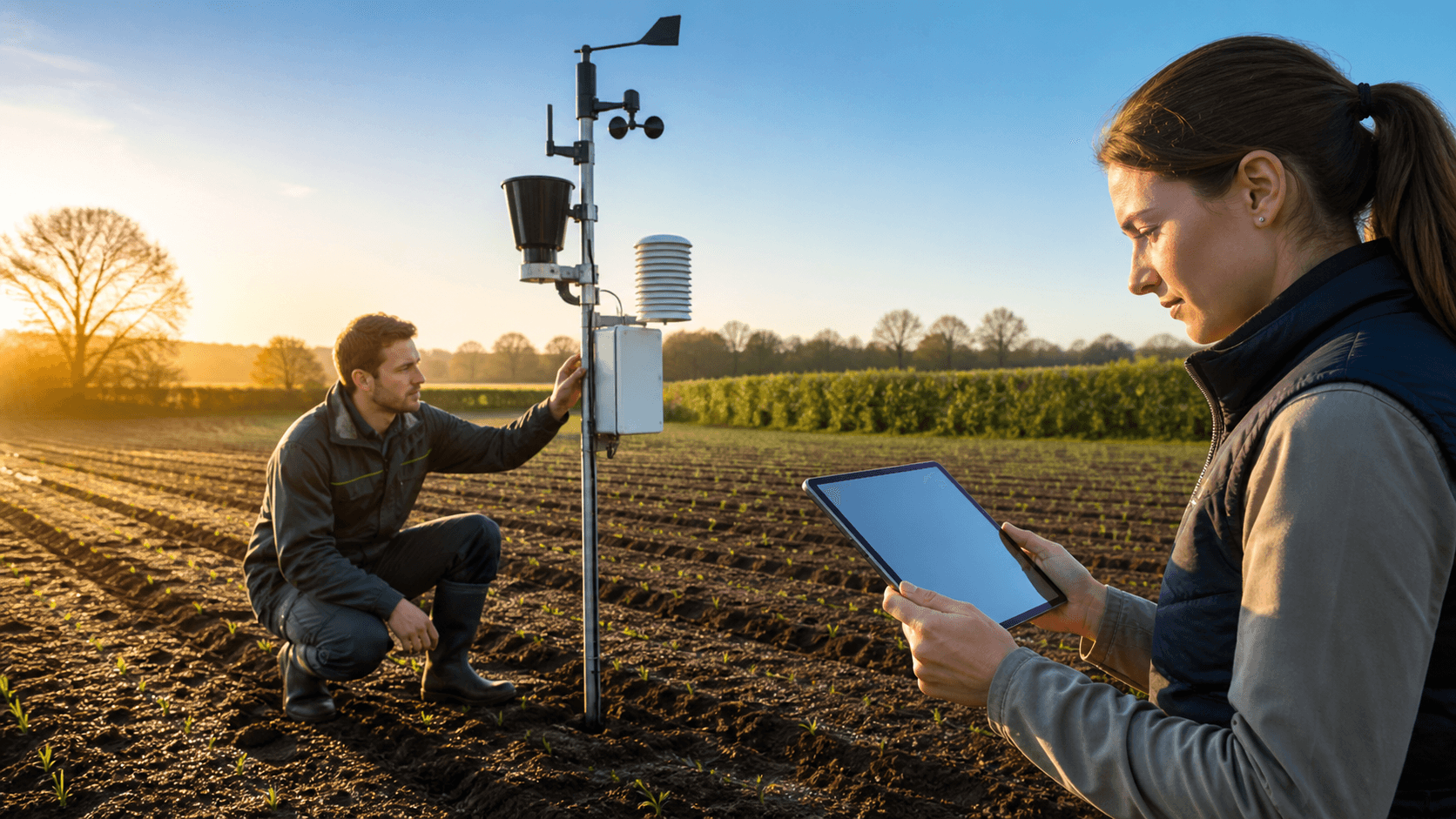
A farm weather station adds valuable context to soil readings. Depending on the setup, it can track conditions such as:
- Rainfall
- Air temperature
- Humidity
- Wind
- Solar conditions
Weather information helps explain why soil conditions are changing and can help you prepare for irrigation demand. Reliable remote connectivity is equally important. We design environmental IoT systems that send data from paddocks, pump sheds and remote sites to an accessible platform, so you can check conditions without crossing the whole property.
Build a Smarter Farm Monitoring System
Soil moisture monitoring works best as part of a wider environmental monitoring plan. While soil readings can guide irrigation decisions, other measurements can help you understand your water supply, storage and environmental conditions more fully.
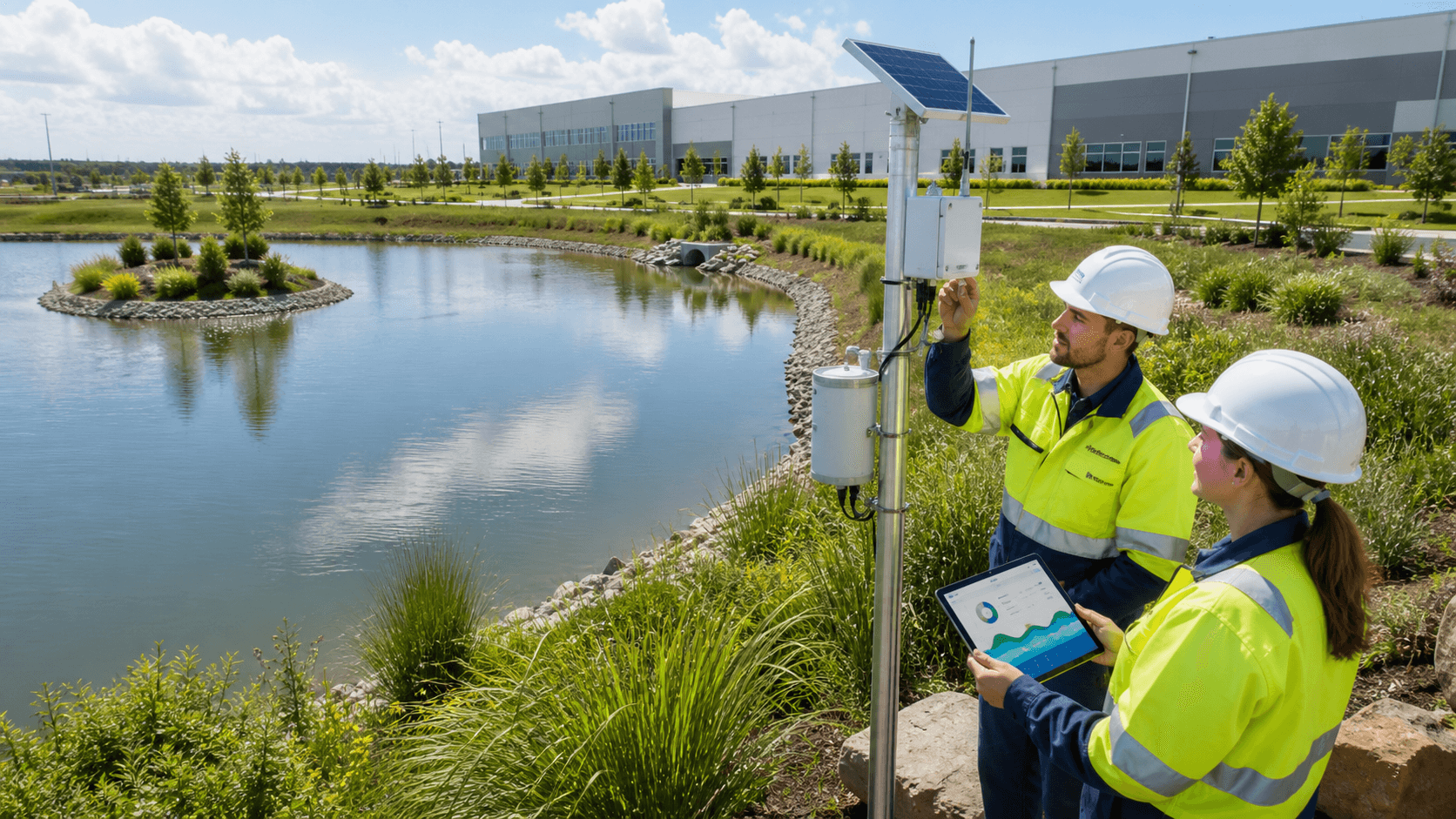
Depending on your farm objectives, we can combine soil moisture and temperature monitoring with weather data, tank levels, bore levels, water flow and water quality measurements. This can be especially useful where irrigation supply, waterways, storage ponds or reporting requirements need closer attention.
Our hydrology monitoring services can include water level and flow monitoring, along with water quality parameters such as turbidity, pH, conductivity and dissolved oxygen. These readings can provide clearer visibility over changing water conditions at remote sites.
The right setup will look different for every property. Some farms may be focused on irrigation efficiency, while others may need better visibility over water sources, nutrient conditions or environmental reporting. We recommend starting with the decisions you need to make, then selecting the sensors and connectivity that support them.
Choose the Right Sensors Before Spring Arrives
Before water demand increases, it is worth reviewing irrigation zones, water sources, crop plans and gaps in your current farm data. This gives us a practical starting point for deciding where soil moisture sensors will be most useful and which other monitoring tools may add value.
Better soil information can support more confident irrigation decisions, more careful use of water and energy, and clearer oversight of remote areas. Starting with the conditions beneath the surface can help you make spring decisions with a fuller view of what your farm actually needs.
Build A Smarter Monitoring Plan
Remote Networks can help you select and install soil moisture sensors that provide reliable data across your operation. Our environmental monitoring solutions can also incorporate weather, soil temperature and nutrient information where needed. To discuss a setup suited to your farm, contact us today.