Turn Farm Data Into Faster Decisions This Spring
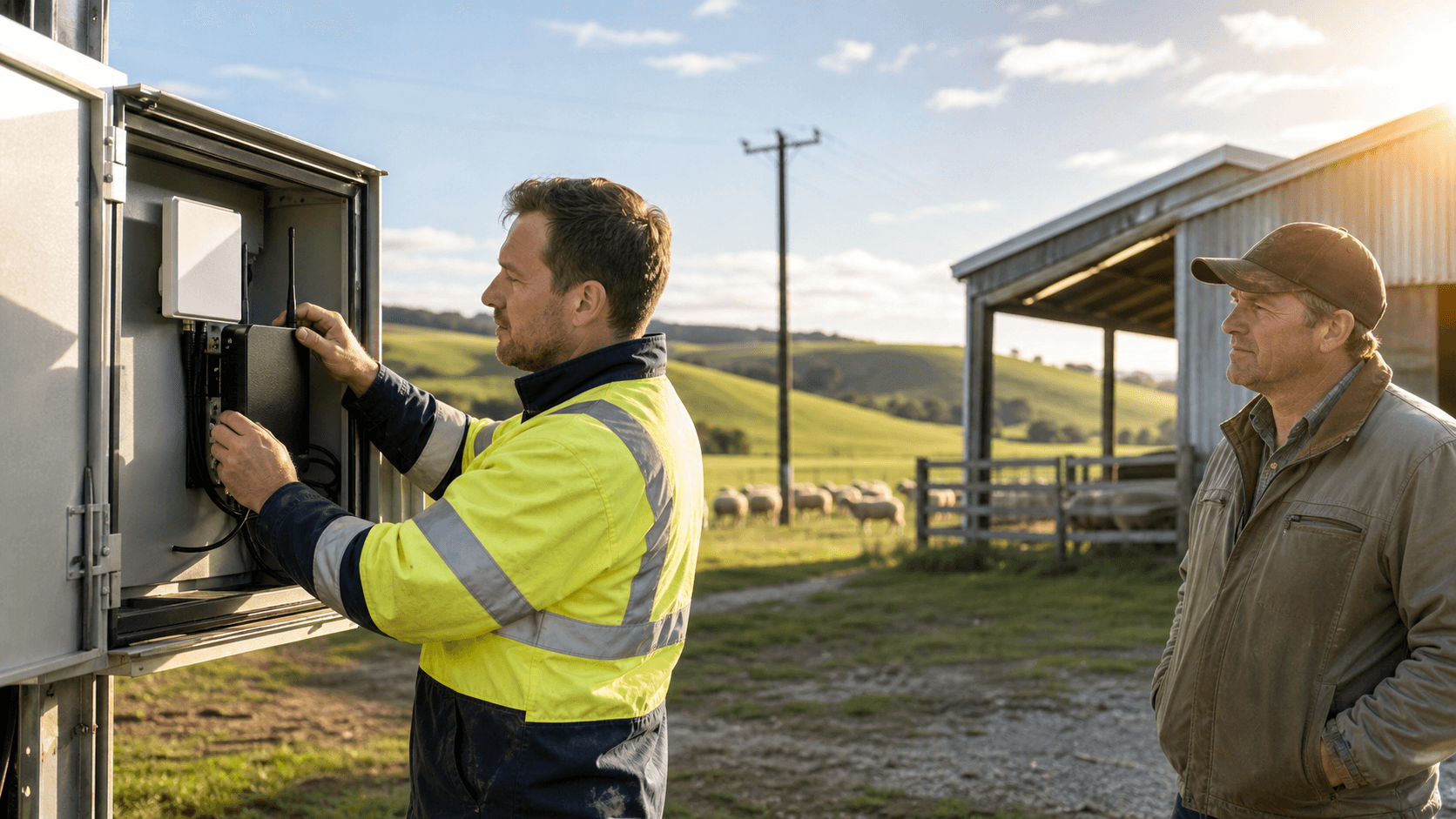
An IoT gateway installation gives your farm monitoring system a central point for collecting sensor data and sending it to the online dashboards, alerts and reports you rely on. Instead of checking scattered sites manually, you can see useful information in one connected system.
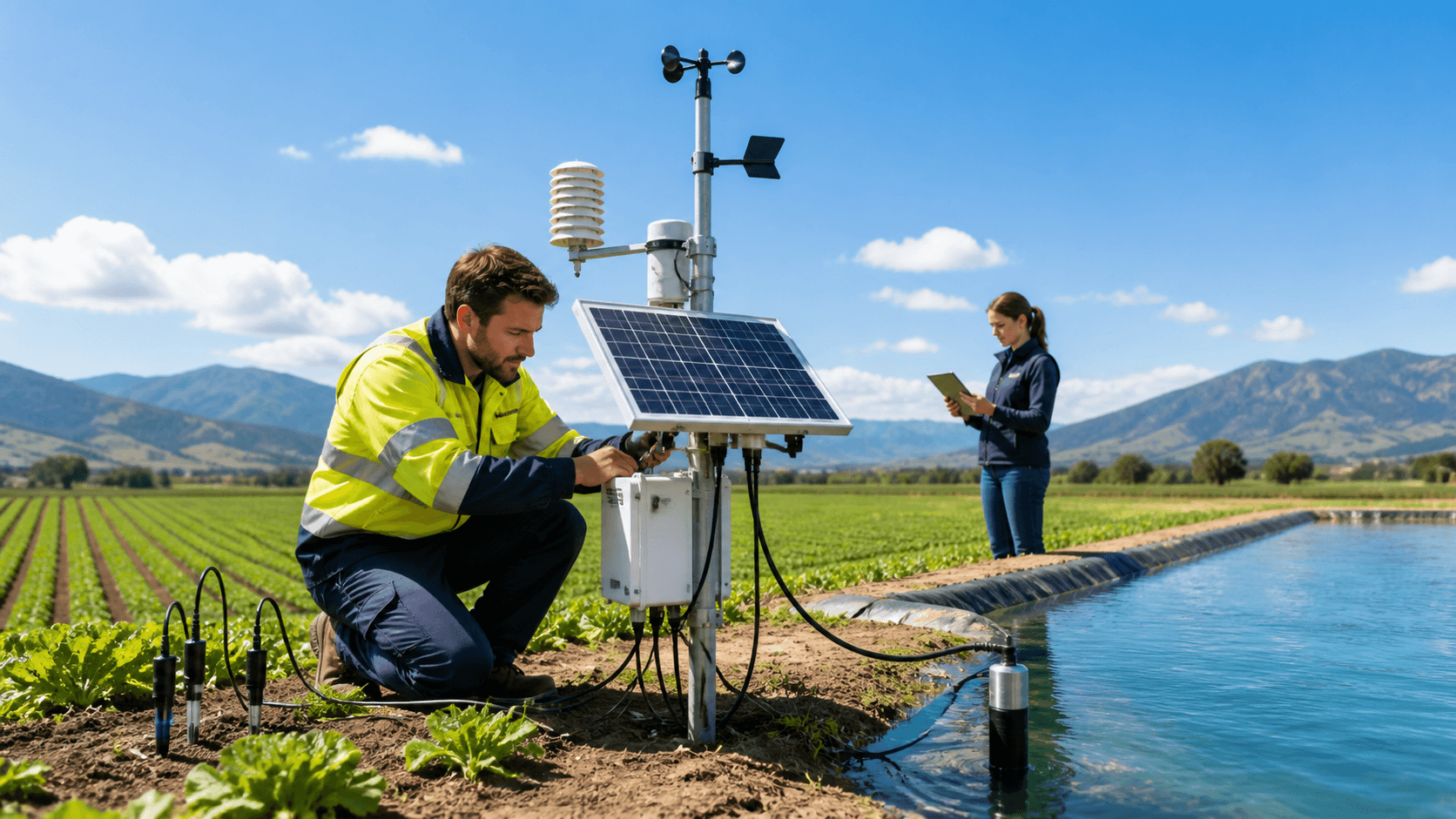
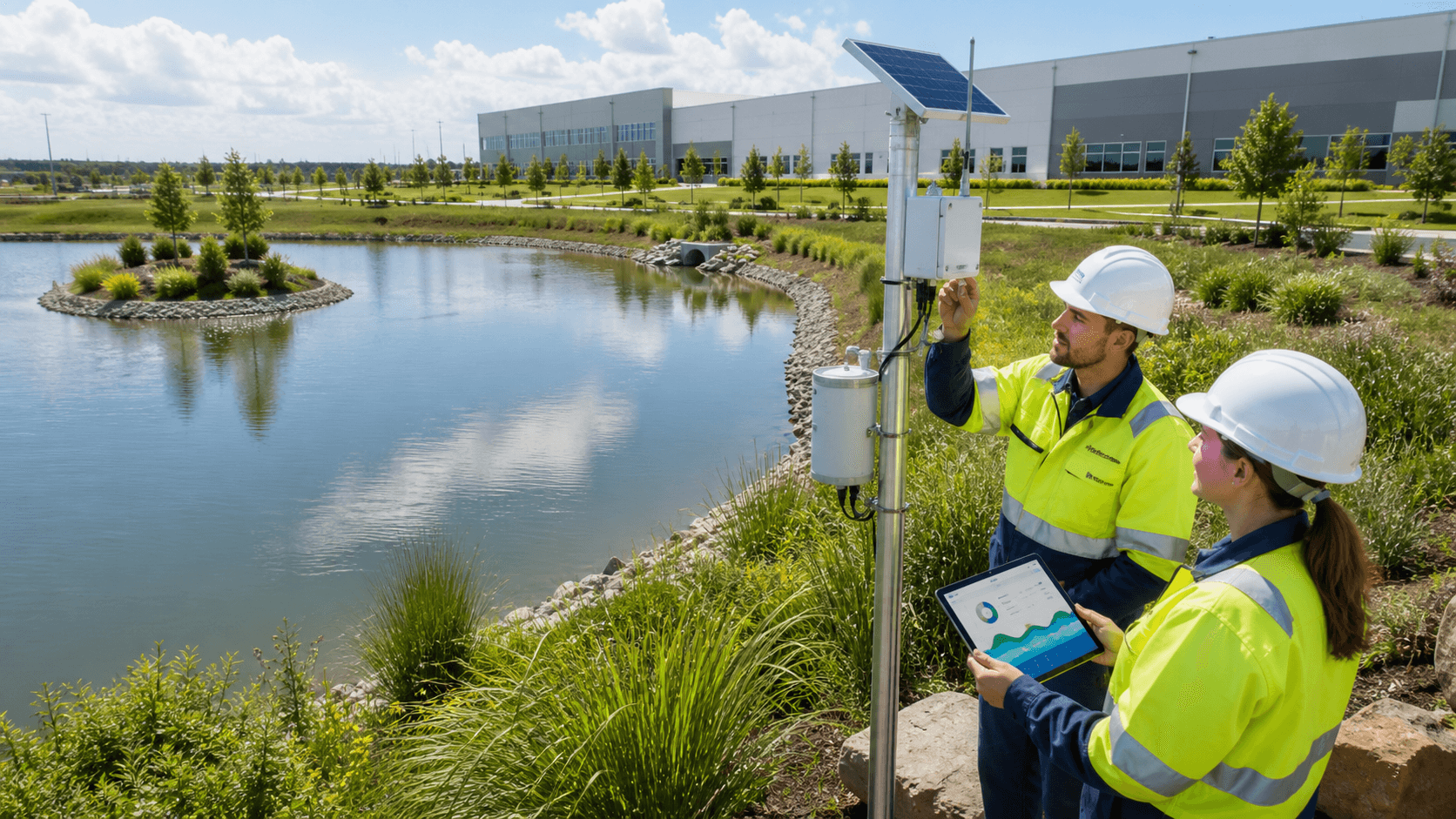
The team at Remote Networks help connect weather monitoring, soil data, water level and flow monitoring, water quality measurement and farm sensor connectivity so you can respond with clearer information.
Map the Right IoT Gateway Installation for Your Farm
Every property is different, so we begin an IoT gateway installation with a site assessment. The right gateway location depends on where your sensors sit, what may block a signal and how the gateway will connect back to the internet.
Hills, valleys, tree cover and large distances can all affect communications. Buildings can be useful mounting locations, but they may not always provide the best line of communication to remote troughs, dams, waterways or paddocks. Existing mobile coverage also needs to be considered before equipment is selected.
During planning, we look at factors such as:
- Farm size and the distance between monitoring points
- Terrain, including ridgelines, gullies and sheltered valleys
- Tree cover, buildings and other potential signal barriers
- Water infrastructure, tanks, dams, streams and irrigation sites
- Available cellular, wireless or other backhaul options
A well-placed gateway needs dependable communication with the sensors in the field, as well as a steady pathway to the cloud platform where your data is viewed. We design systems for real rural conditions across New Zealand, rather than treating every farm as though it has the same coverage, terrain and power options.
Choose Sensors That Answer Real Farm Questions
Good monitoring starts with a clear question. You may want to know whether rain has reached a paddock, whether soil is drying out, whether a tank level is falling, or whether water conditions have changed. The best sensor setup is the one that gives you information you can use.
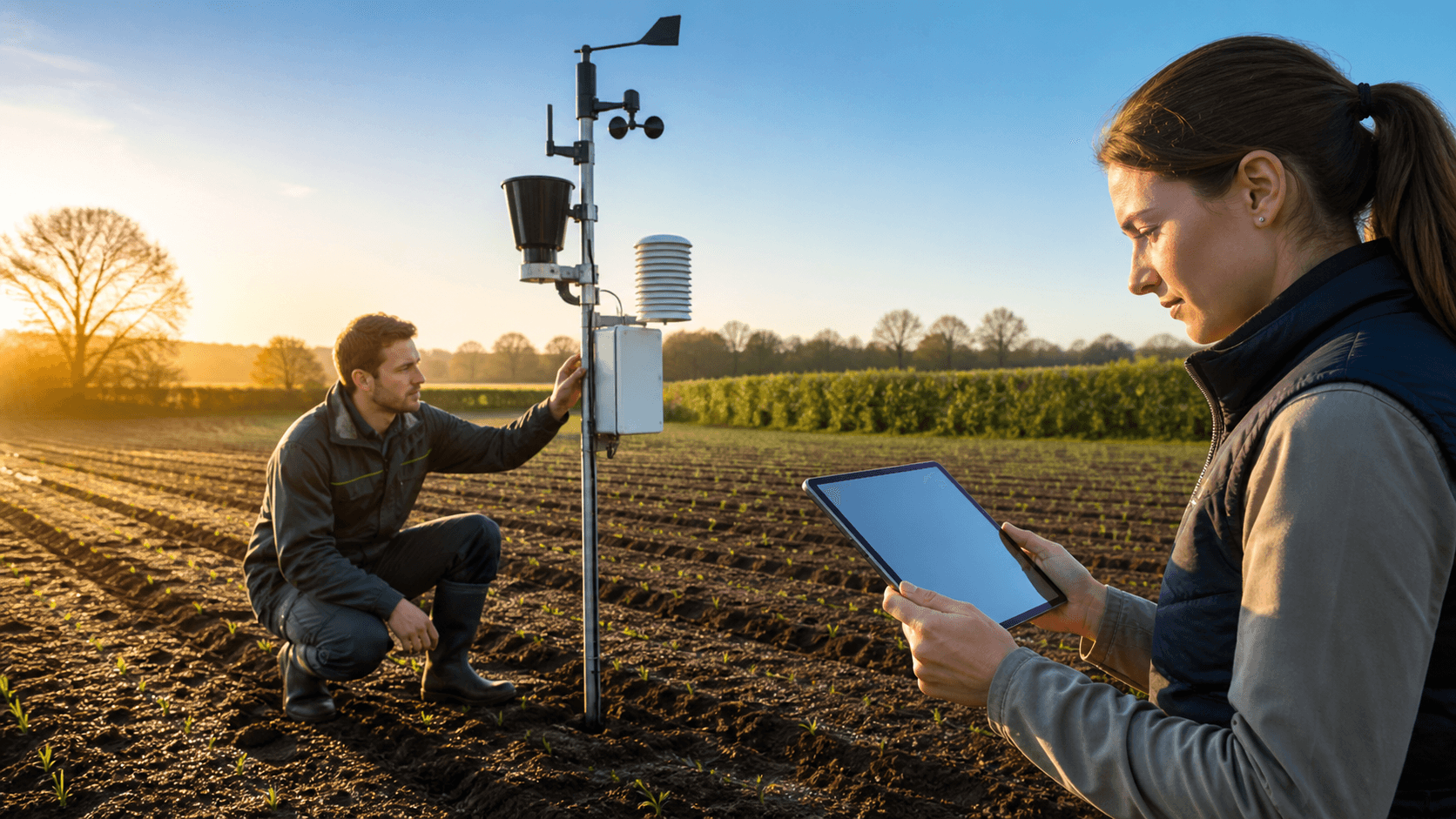
Weather stations can measure local rainfall, wind, temperature, humidity and other weather conditions. Having readings from your own property can support day-to-day decisions when conditions vary between farms or even across different parts of the same farm.
Soil monitoring can include soil moisture and temperature sensors, along with NPK sensors that measure nitrogen, phosphorus and potassium. Together, these readings can support irrigation planning, nutrient planning and paddock management.
Design Power and Backhaul for Remote Conditions
Sensors are only part of the system. An IoT gateway installation also needs dependable power and backhaul, which is the connection from the gateway to cloud-based monitoring platforms.
Depending on the site, power may come from a mains supply, solar power, battery backup or a combination that suits the location. Remote sites need careful planning so the equipment can keep operating through changing weather and periods of low sunlight.
Backhaul options can include cellular connectivity, satellite, point-to-point wireless links or commercial WiFi infrastructure. The most suitable method depends on what is available at the gateway site and how consistently it can maintain a connection.
Mobile coverage can be limited in isolated locations. Where it is appropriate for communications needs, we can also assess certified Nextivity Cel-Fi cellphone coverage systems. Cel-Fi products are the only certified cellphone booster products in New Zealand, helping improve usable mobile signal where coverage is available but weak.
Keep Your System Reliable All Year
Farm monitoring equipment needs to cope with wind, rain, dust, temperature changes and daily activity around livestock and machinery. A gateway may be positioned well on day one, but poor antenna placement, exposed cabling or an unsuitable enclosure can create problems later.
We consider weather-resistant equipment, secure enclosures, protected cabling and antenna placement as part of the wider system design. These details help protect the communications link between sensors, gateway and monitoring platform.
Remote alerts also help you spot issues before valuable data is missed. Low battery warnings, lost communications and abnormal readings can point to a problem that needs attention. Maintenance planning keeps those checks organised, rather than waiting until a monitoring gap appears.
It also makes sense to allow for future growth. A well-planned system can be expanded with more sensors, weather stations, water monitoring points or connectivity upgrades as your farm's needs change.
Start with a Clear Farm Monitoring Plan
At Remote Networks, we bring together the sensor types, gateway location, power source and communications method that suit your property. Planning these elements as one system helps avoid gaps between what you want to monitor and what the site can support.
The practical takeaway is simple: start with the decisions you need to make, then build the monitoring system around them. Clear data on weather, soil and water conditions can help you respond sooner when seasonal conditions, irrigation needs, water quality or environmental requirements change.
Build A More Reliable Farm Monitoring Network
Remote Networks can help you plan an IoT gateway installation that supports dependable data collection across your farm. Our team can match gateways, weather stations, soil sensors and water monitoring equipment to your site conditions and operational needs. To discuss a monitoring setup for your property, contact us today.