NPK sensors give you a clearer view of what may be happening beneath the soil surface between laboratory tests. As part of IoT environmental monitoring, they can help turn scattered field observations into regular, easy-to-review data.
For growers, land managers and rural operations, the real value is context. When we combine NPK readings with moisture, temperature and weather information, you can see changes that may deserve attention before spring growth, fertiliser inputs or grazing plans are locked in.
Turn Soil Data Into Better Nutrient Decisions
NPK sensors are a practical addition to a wider monitoring system, not a replacement for professional soil testing. We use them to help you follow nutrient-related trends over time, rather than relying only on occasional manual samples that capture one point in time.
The letters N, P and K refer to three major plant nutrients:
- Nitrogen supports leafy growth.
- Phosphorus supports root development and early plant establishment.
- Potassium contributes to plant strength, water regulation and crop quality.
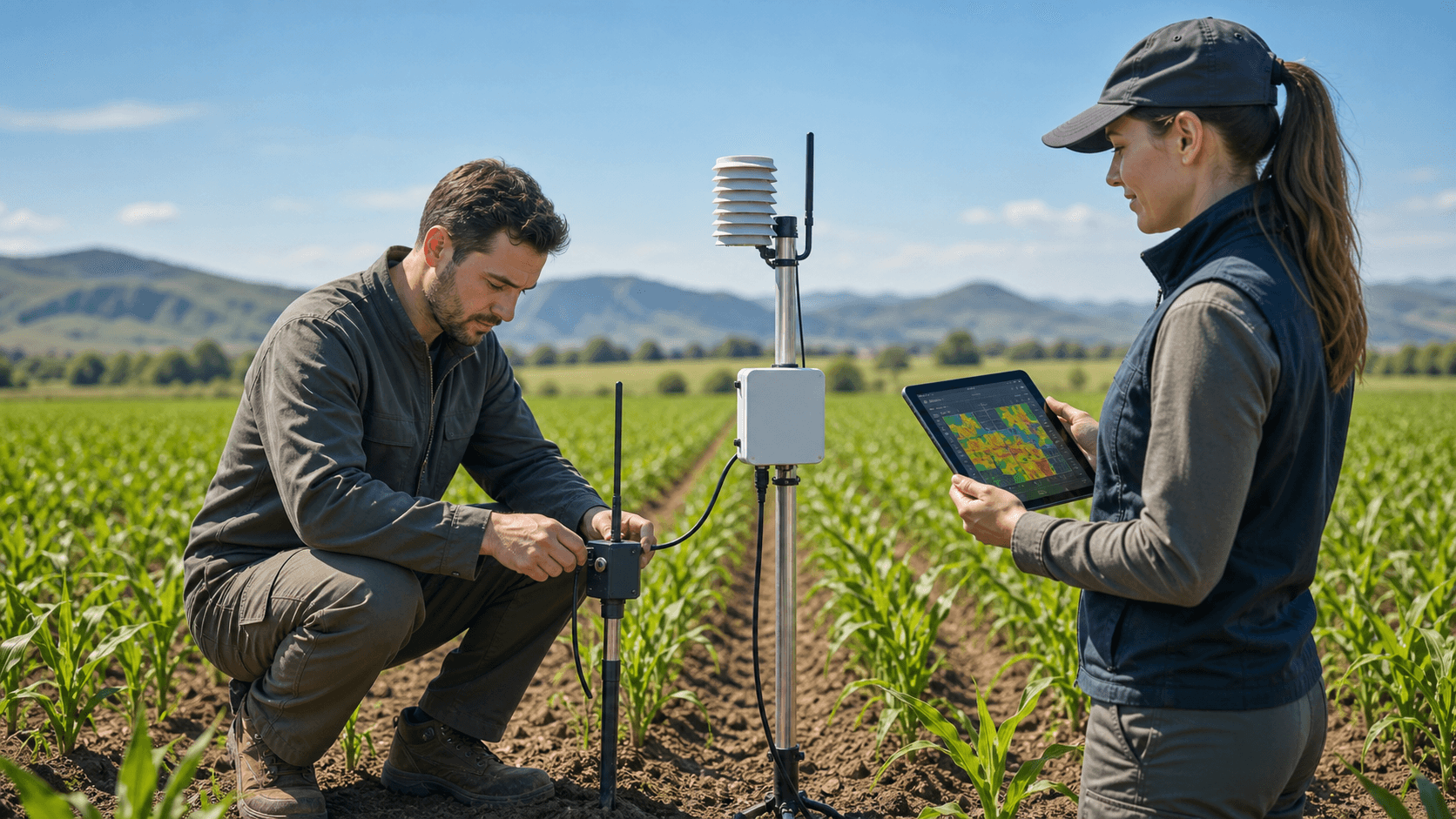
Sensor readings can indicate conditions associated with nitrogen, phosphorus and potassium availability in the soil. Paired with soil moisture and temperature probes, the data becomes far more useful for day-to-day decisions. A change in a reading may look quite different when the ground is dry, saturated, cold or warming up.
We recommend keeping expectations realistic. NPK sensor data can flag patterns, movement and possible nutrient issues between laboratory tests, while soil sampling and site-specific calibration still matter for high-confidence nutrient planning.
What NPK Sensors Measure in the Field
A single NPK reading is not a final answer. Soil is always changing, and sensor results can be affected by the conditions around the probe. That is why consistent installation, regular review and good interpretation matter as much as the sensor itself.
Several factors can influence what a sensor reports:
- Soil moisture and soil temperature
- Soil type and salinity
- Recent fertiliser applications
- Sensor depth and placement
- Rainfall, runoff and drainage conditions
Rather than reacting to one result, we help you look for trends over days, weeks and seasons. Repeated readings may show nutrient movement after rain, changing uptake during plant growth, or an area that needs closer investigation. Laboratory testing can then provide a stronger basis for decisions where accuracy is especially important.
Build IoT Environmental Monitoring Around Reliable Data
Connected monitoring makes it easier to access information from remote paddocks, horticultural blocks, infrastructure corridors and catchments without constant site visits. Readings can be sent from field equipment to a central dashboard, giving you a more regular picture of site conditions.
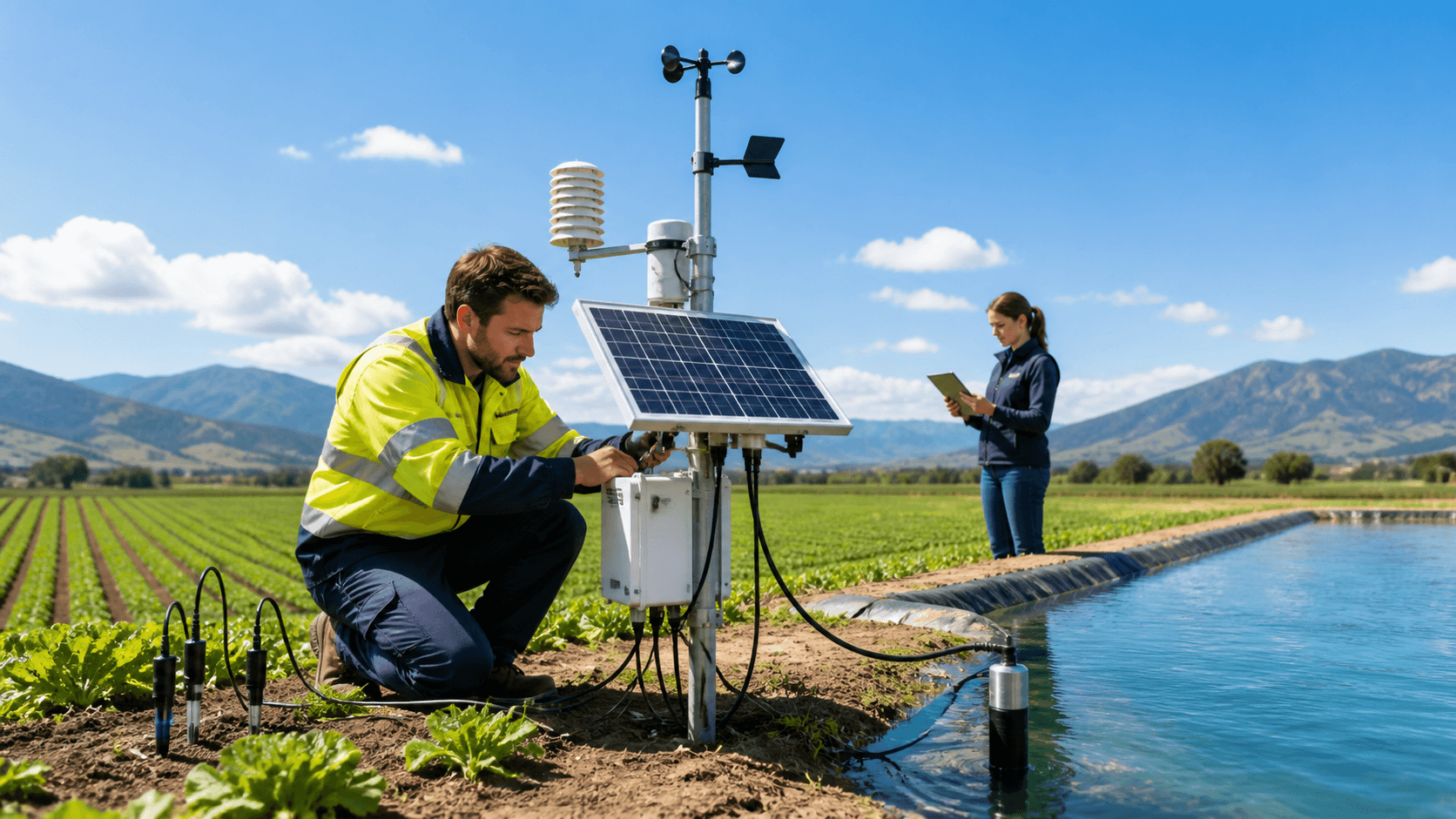
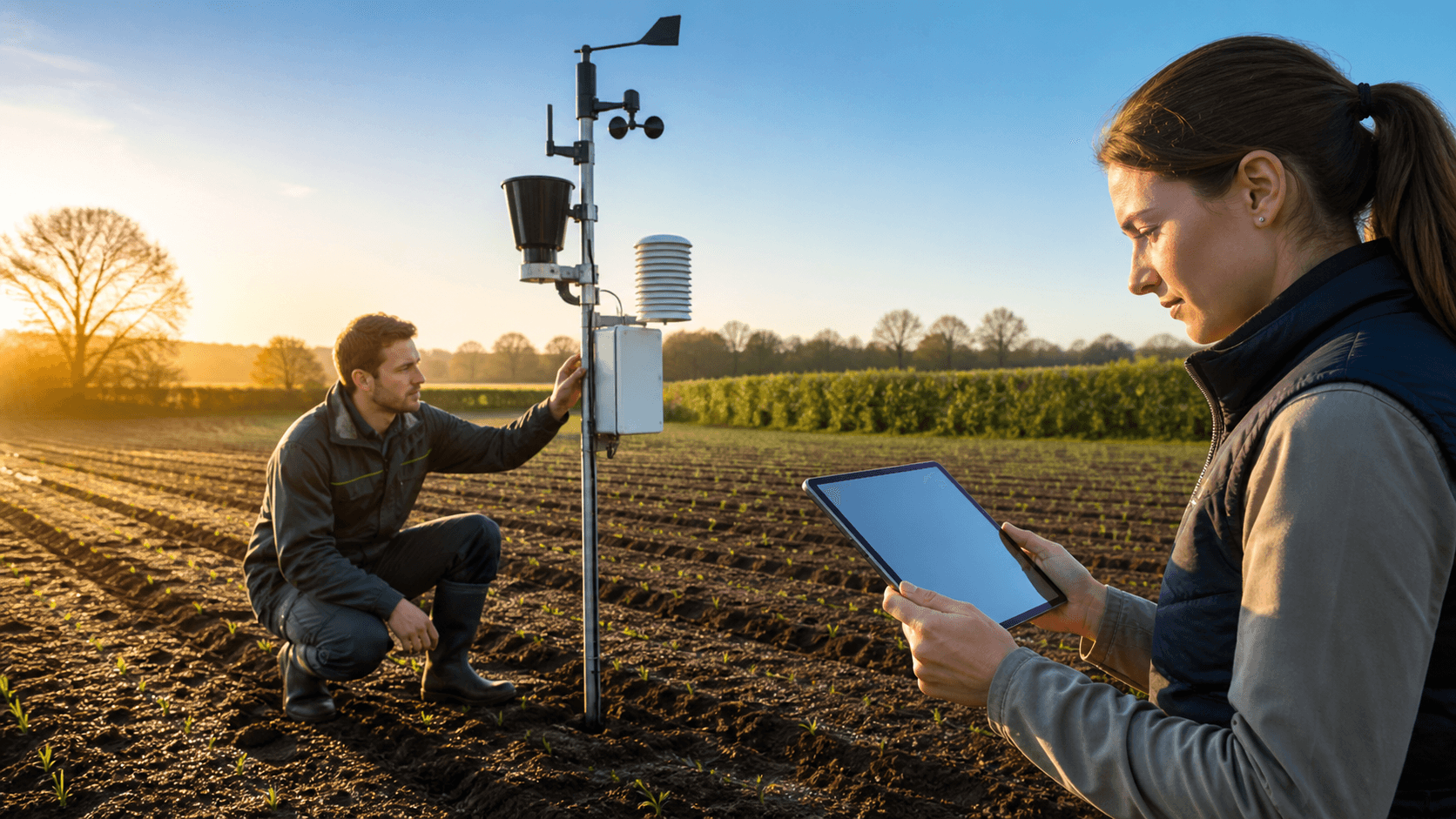
NPK sensors work best when supported by devices that explain the bigger story. A rain gauge can show whether a period of wet weather may be affecting nutrient movement. Soil moisture and temperature probes can add context around plant uptake. Weather stations can help track conditions that influence evaporation, rainfall and field access.
For sites across New Zealand, distance, terrain and winter weather can make manual monitoring difficult. We consider communications coverage, sensor location, power options and alert settings so the system is suited to the practical conditions on your site. Reliable connectivity and sensible alert thresholds help ensure important changes are visible when they matter.
Use Winter Readings to Plan Spring Inputs
Late winter is a useful time to review soil conditions before spring growth begins to accelerate. Establishing a baseline now can give you a reference point for comparing later readings as rainfall, fertiliser applications, irrigation and crop growth influence the soil.
Wet winter conditions can change how nutrients move through a site. High rainfall, saturated ground and runoff may affect nutrient availability, especially in low-lying areas or places close to drains and waterways. Soil moisture data helps show whether the ground is holding water, while weather readings provide useful context for what has happened recently.
A baseline does not need to answer every question at once. It provides a starting point that can make future changes easier to understand. When readings are reviewed alongside laboratory sampling and local knowledge, you are in a better position to investigate unusual shifts before acting on them.
Connect Soil Insights with Catchment Conditions
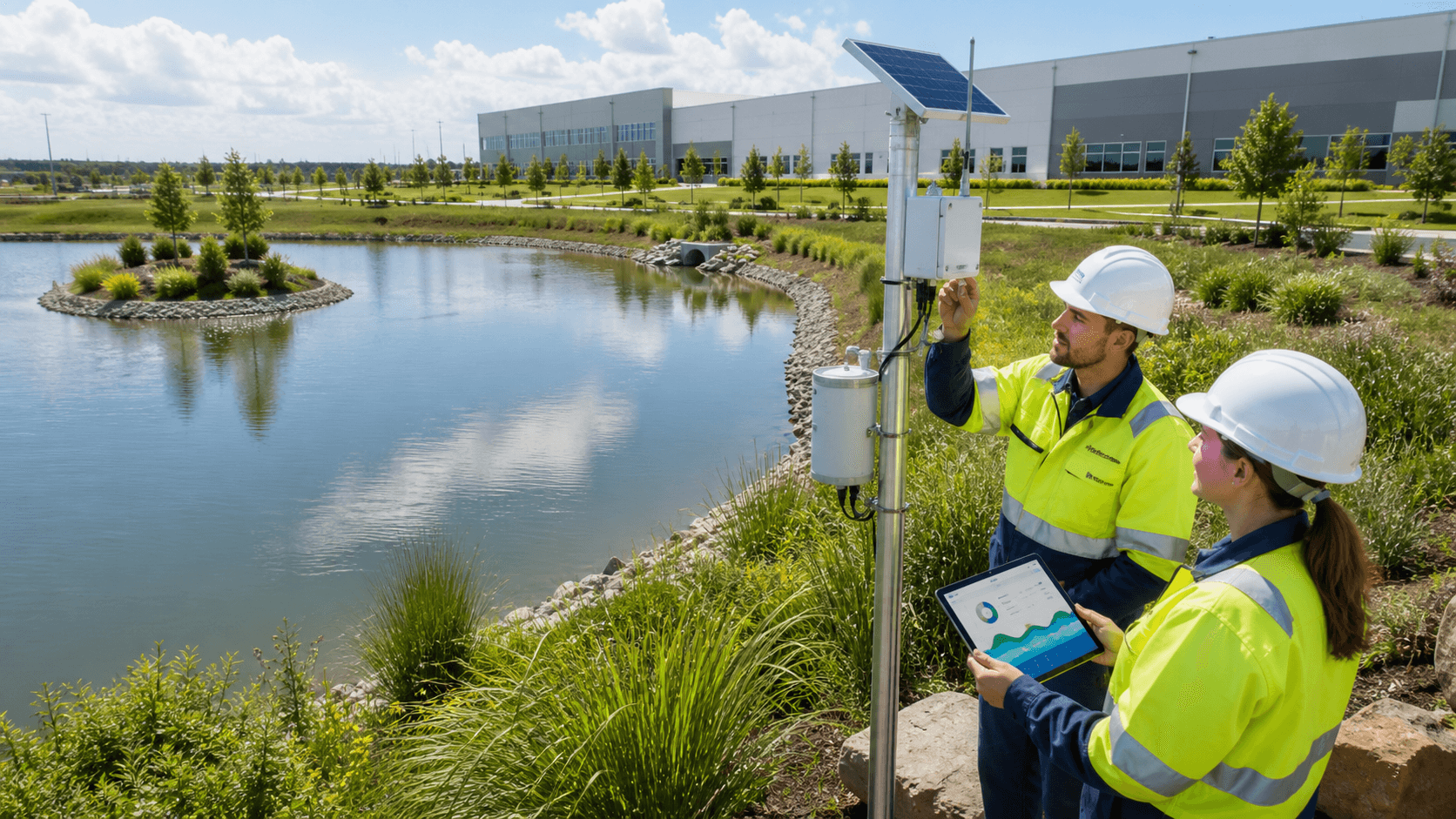
Soil monitoring does not need to stop at the paddock boundary. Where land sits near streams, drains, dams or water storage areas, we can bring soil data together with hydrology measurements such as water level and flow.
This broader view can help you understand how site conditions connect after heavy rain or operational changes. Depending on the location and monitoring goal, monitoring equipment may measure:
- Turbidity
- pH
- Conductivity
- Dissolved oxygen
- Water level and flow
Bringing NPK, soil moisture, weather and hydrology information into one monitoring view can support better conversations about nutrient management, environmental compliance and risk reduction. It also gives you clearer records to review when conditions change quickly.
Plan a Monitoring System That Fits Your Site
The best starting point is the decision you need the data to support. We begin by considering whether you need to track soil conditions, time nutrient inputs, protect waterways, monitor water storage or reduce unnecessary trips to remote locations. That purpose should guide the sensor mix, rather than adding equipment simply because it is available.
A site assessment is important before installation. Soil type, probe depth, exposure, power availability, communications coverage and proximity to watercourses can all affect how useful the final system will be. We can tailor IoT environmental monitoring with NPK sensors, weather stations, soil probes and hydrology equipment around the conditions you need to monitor.
Good monitoring is built on steady, comparable data. Starting with a clear baseline and reviewing trends alongside soil tests gives you a practical foundation for making better-informed decisions as field conditions change.
Turn Field Data Into Practical Action
Remote Networks can help you build an IoT environmental monitoring setup that brings soil, weather and water data into one reliable view. Our team can recommend sensors and connectivity suited to your monitoring goals and site conditions. To discuss a system for your operation, contact us today.