Remote Monitoring Systems for Continuous Water Quality Data
Water conditions can change quickly, especially through spring rain, runoff, warmer days and increased activity around catchments. A clear stream, pond or water supply can develop a problem between regular checks, leaving you with little context about when it began or what caused it.
Manual sampling still has a place, but it is only a snapshot. With remote monitoring systems, we help you see the changes that happen between inspections, so you can respond using time-stamped information rather than guesswork.
Turn Spring Water Changes Into Timely Action
September can bring unsettled weather across New Zealand. Rainfall can carry sediment, nutrients and other material into waterways, while changing temperatures may affect ponds, reservoirs and treatment processes.
A site visit once a week or once a month may miss a short event, such as a burst of muddy runoff after heavy rain. It may also fail to capture lower dissolved oxygen, a sudden conductivity shift, or a change in pH that settles before the next sample is taken.
Continuous monitoring gives farms, councils, industrial operators, water schemes and environmental managers a clearer view of what is happening over time. Depending on the system, readings can be sent at set intervals and alerts can be triggered when a measurement moves outside an agreed range.
At Remote Networks, we provide connected environmental IoT and hydrology systems for urban, rural, and commercial/industrial sites. The aim is simple: give you useful information when conditions are changing, not days or weeks later.
How Remote Monitoring Systems Deliver Continuous Data
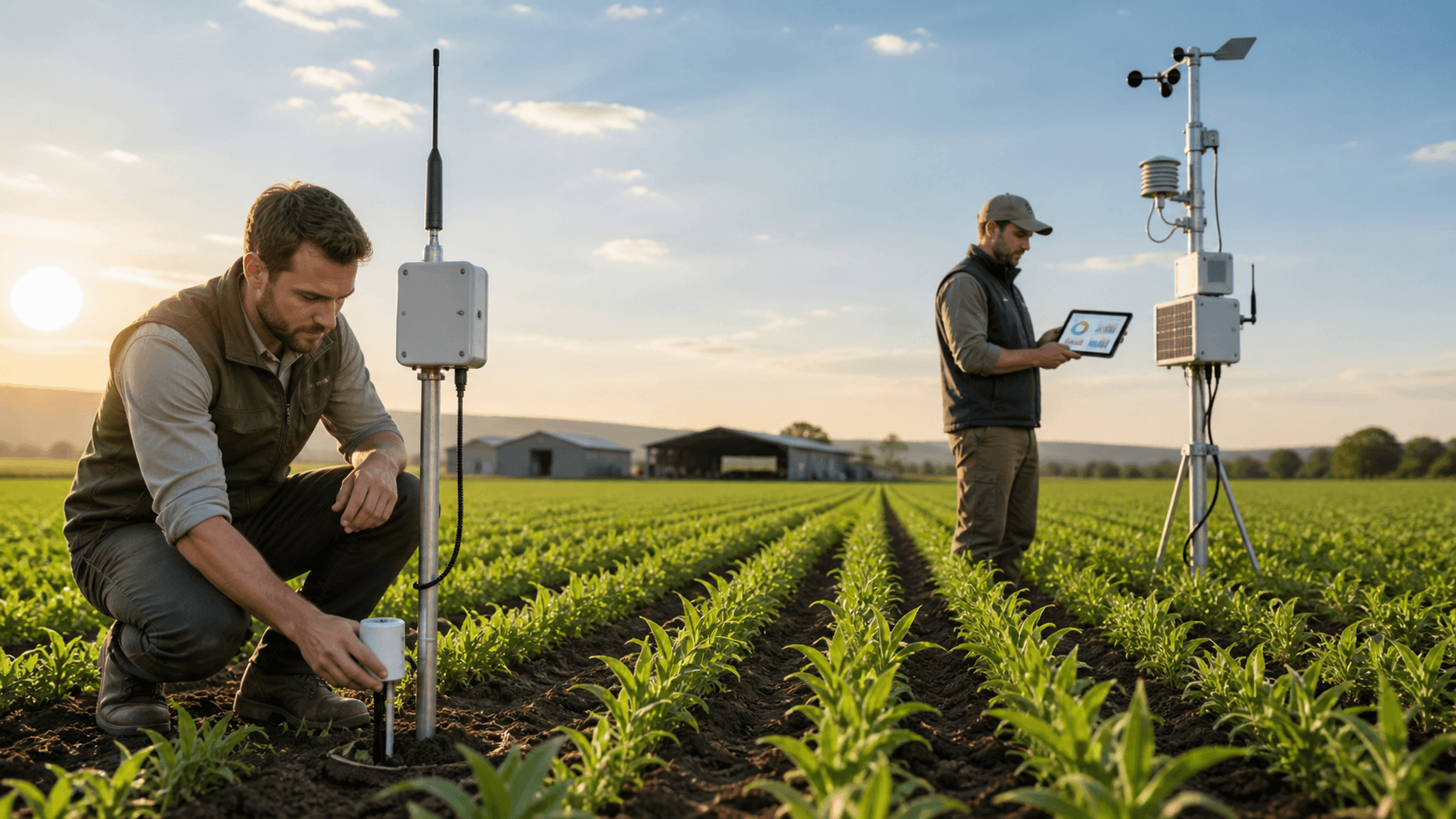
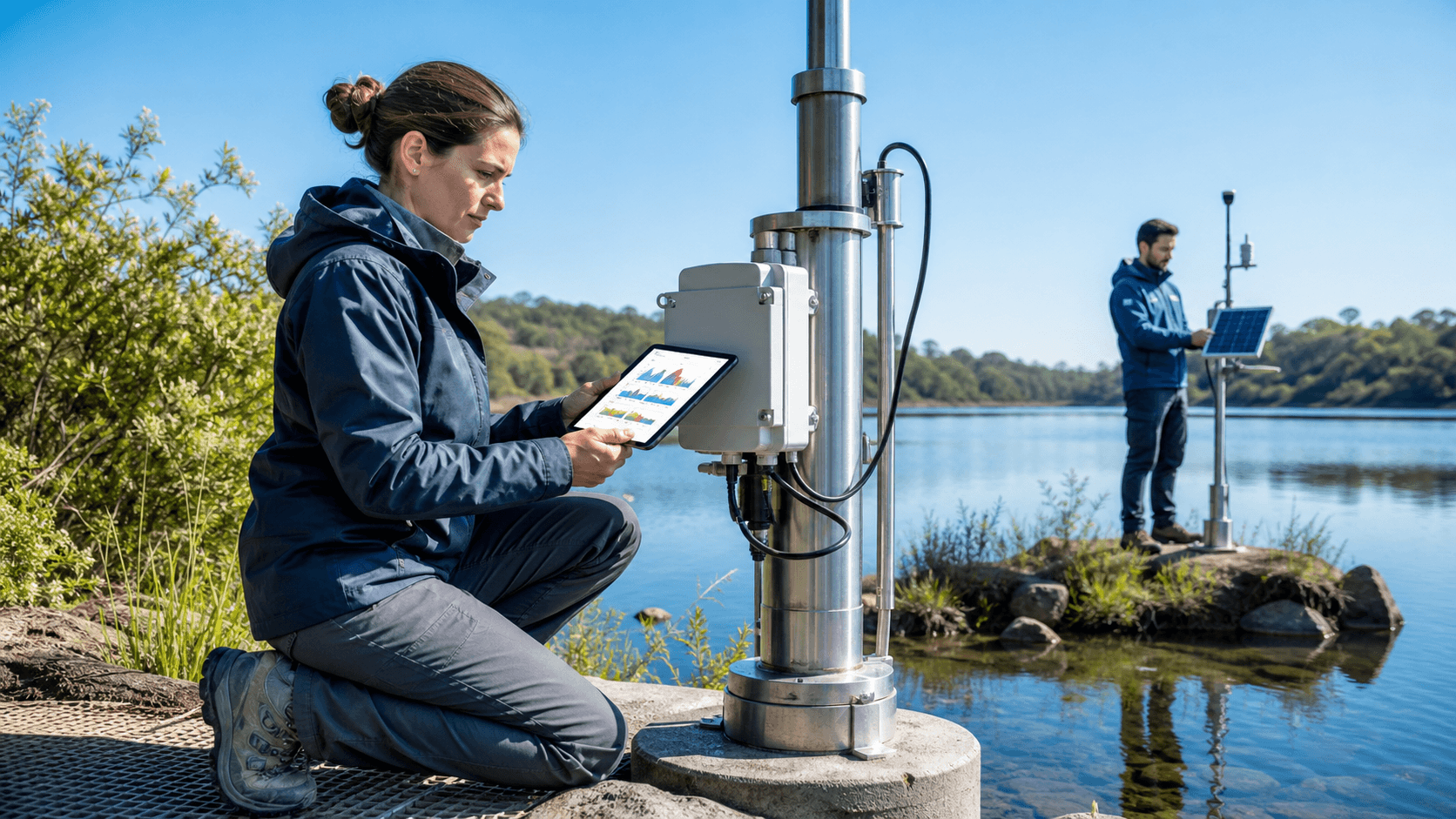
A remote water monitoring setup brings several practical parts together. Sensors sit at the water source and measure selected conditions. A data logger records those readings, while telemetry equipment sends them to a remote dashboard through an available communications connection.
Many sites also need an independent power source. Solar-powered options can help keep monitoring equipment operating where mains power is not practical. From a computer or mobile device, you can review current readings, historical trends and the general status of the site.
A connected system may include:
- Water quality sensors selected for the conditions you need to watch
- A data logger to collect and store readings
- Telemetry to send data from the site
- Solar power and protected enclosures for remote installations
- A cloud-based dashboard for viewing data and alerts
This approach can reduce unnecessary trips to distant locations while keeping important assets in view. Instead of travelling out simply to find out whether conditions have changed, you can use the data to decide when an inspection is needed.
The right setup depends on the job. We can tailor remote monitoring systems for streams, bores, farm water supplies, effluent ponds, reservoirs, industrial discharge points and treatment processes. Sensor choice, reporting intervals and alert settings should all reflect the risks at that particular site.
Measure the Water Quality Parameters That Matter
Not every location needs the same measurements. The most useful monitoring plan starts with the decisions you need the data to support, whether that involves environmental reporting, operational oversight, consent conditions or early warning of a developing issue.
Turbidity is one common measurement. It indicates the amount of suspended material in water and provides a useful view of water clarity. After heavy rain, earthworks, stock access, runoff or disturbance within a catchment, a turbidity rise can point to sediment entering the water.
Other frequently monitored parameters include:
- pH, which shows whether water is becoming more acidic or alkaline
- Conductivity, which can indicate changes in dissolved salts or other contaminants
- Dissolved oxygen, which matters for aquatic ecosystem health and many treatment processes
- Water temperature, which can help provide context for other changing readings
One reading rarely tells the whole story. A conductivity change, for example, may need to be considered alongside rainfall, water level, flow and the site's usual pattern. That is why ongoing data is more helpful than a single isolated result.
When we plan a system, we consider site risks, operational goals, required reporting and the actions you may need to take when conditions change. This helps avoid collecting data that looks interesting but does not answer a practical question.
Add Water Level and Flow for Clearer Insights
Water quality data becomes more meaningful when it is viewed alongside hydrology data. Water level and flow monitoring provide the missing context behind many changes in turbidity, conductivity and other parameters.
For example, high turbidity during a rising flow event may suggest sediment-laden runoff entering a stream. The same turbidity reading during low flow could point to a different source and may require a closer investigation. Time-stamped records make those patterns easier to recognise.
Water level and flow monitoring can support:
- Flood awareness and changing water level observation
- Abstraction management and water supply oversight
- Irrigation planning and source monitoring
- Stormwater monitoring
- Environmental reporting and long-term trend review
Bringing hydrology and water quality sensors into one connected platform helps you compare what happened and when. You can see whether a change followed rainfall, a level rise, a flow increase or a period of low water movement.
Spot checks can show a condition at one moment. Continuous records can show how that condition developed, how long it lasted and whether it returns under similar weather or operating conditions.
Build a Monitoring Network for Every Season
Reliable data begins well before a sensor enters the water. Site planning needs to account for sensor placement, mounting methods, cable protection, enclosure location, available communications coverage and power needs. Remote sites may need solar-powered telemetry and equipment chosen to cope with exposed New Zealand conditions.
Maintenance matters just as much. Sensors exposed to algae, sediment, debris and changing water conditions need cleaning, calibration and scheduled servicing to protect data quality over time. A maintenance plan also provides a chance to inspect mounting points, power performance and communications reliability.
Spring is a sensible time to review an existing monitoring network. Wetter weather, increased runoff and seasonal operating changes can place added pressure on water infrastructure and natural waterways. Checking that sensors, alerts and reporting intervals still match your current risks can prevent gaps when information matters most.
Put Continuous Water Data to Work
Continuous water quality, level and flow data can help you identify changes earlier, investigate events with greater confidence and build a clearer picture of seasonal patterns. The most useful starting point is to consider what you cannot currently see between site visits, which conditions need timely alerts, and what information would help guide a response.
A well-planned monitoring system turns separate readings into a record you can interpret. When sensors, telemetry, power and maintenance are considered together, the data is better placed to support sound environmental and operational decisions.
Build Reliable Water Quality Visibility
Remote Networks can help you select and configure remote monitoring systems suited to your water quality parameters, site conditions and reporting needs. Our team integrates sensors for turbidity, pH, conductivity and dissolved oxygen with dependable telemetry and power options. Contact us to discuss a practical monitoring solution for your site.